 MicoRadar
Yellowfoot
Craterellus lutescens
In Spanish: Angula de monte, Trompeta amarilla, Rebozuelo anaranjado, Trompetilla amarilla · In Catalan: Camagroc, Rossinyolic, Rossinyol de pi, Vaqueta de pi, Ginesterola de pi, Picornell de càrritx · In Basque: Saltsa-perretxiko hori, Tronpeta hori · In Galician: Trompeta amarela, Trompeta dourada, Gulas do monte, Panchica
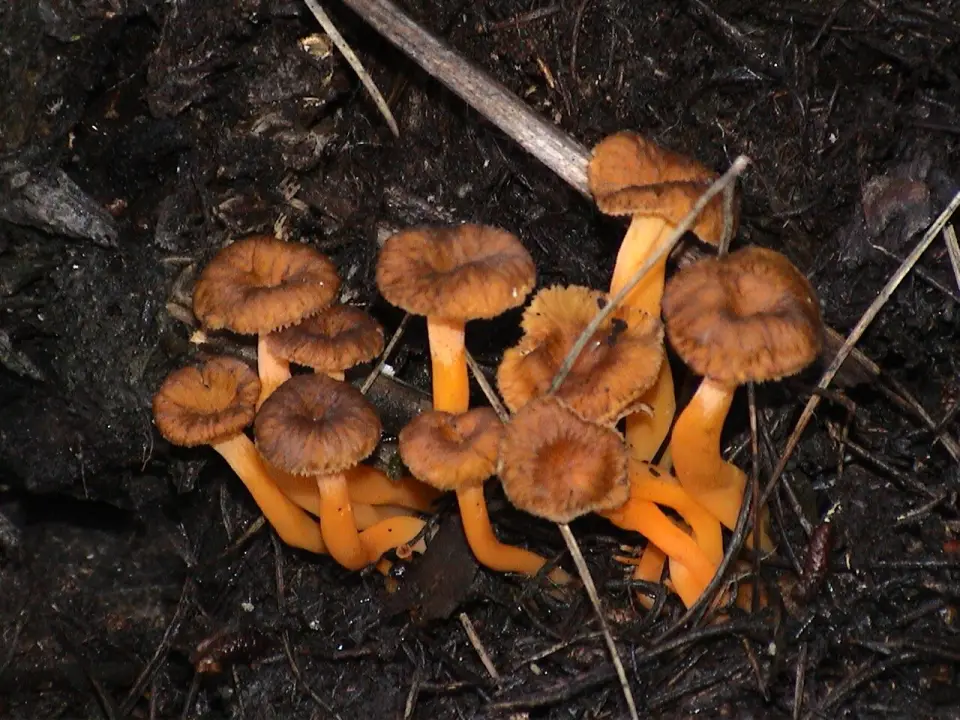
Photo: Pau Cabot / Wikimedia Commons · CC BY-SA 3.0
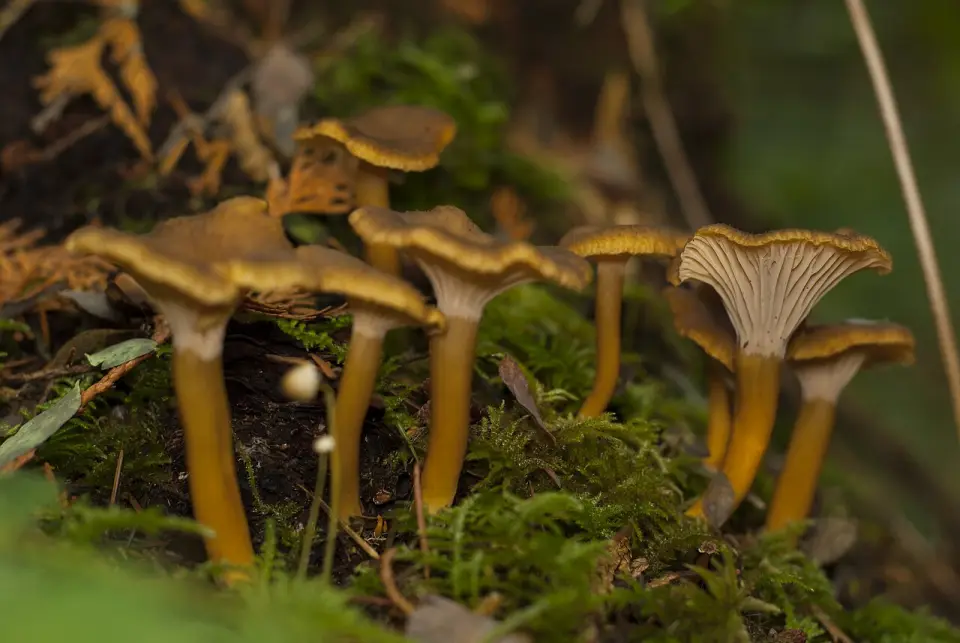
Photo: Scott Darbey from Canada / Wikimedia Commons · CC BY 2.0
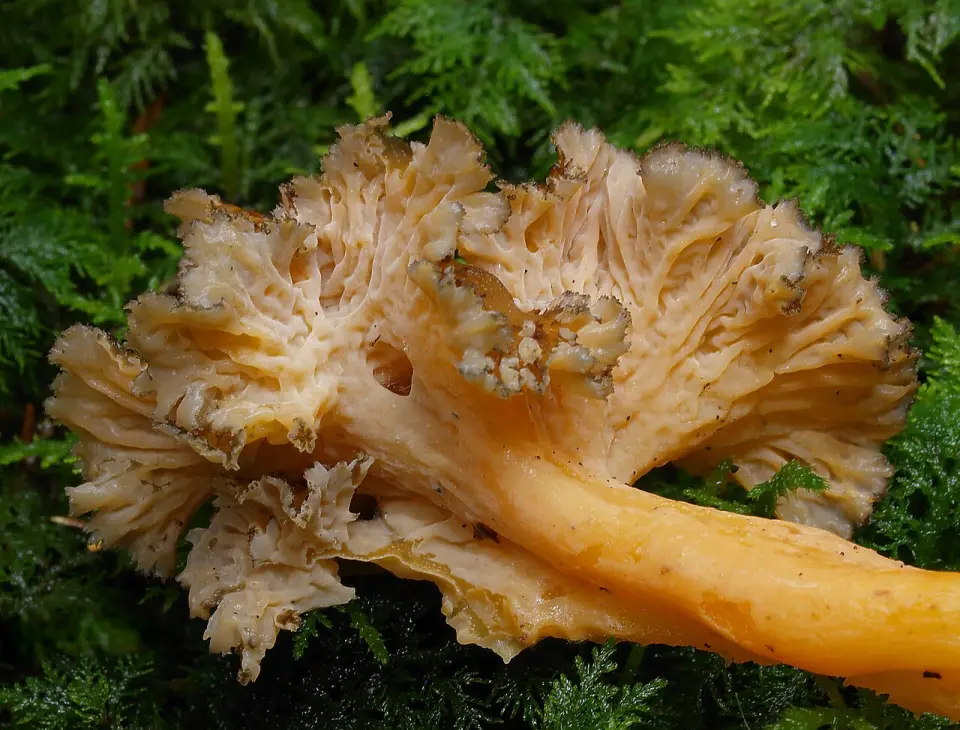
Photo: Andreas Kunze / Wikimedia Commons · CC BY-SA 3.0
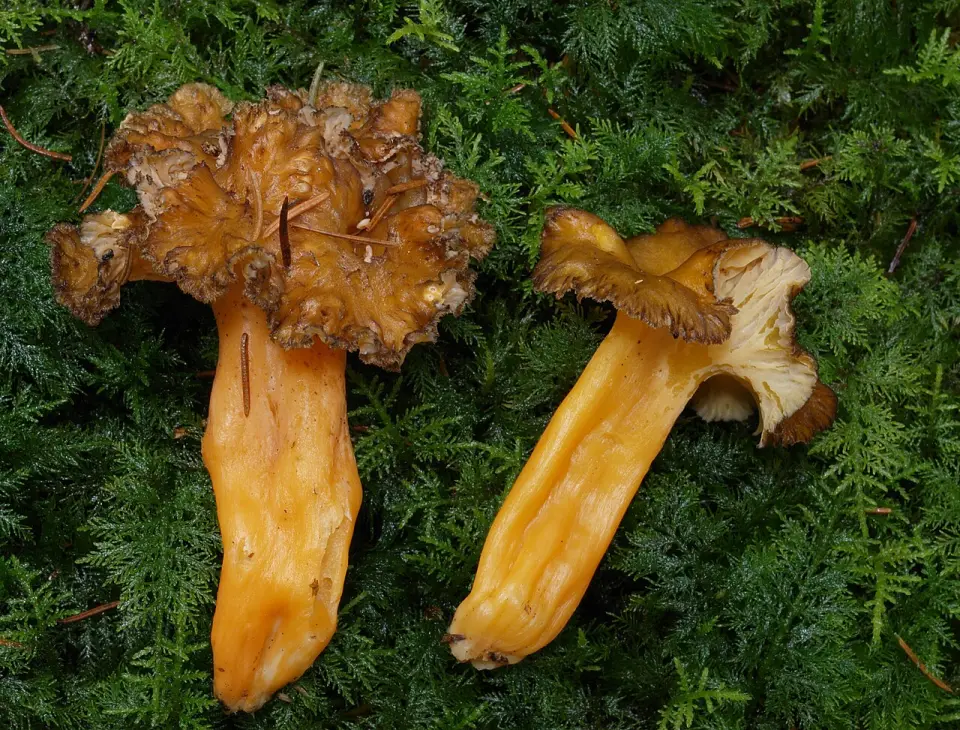
Photo: Andreas Kunze / Wikimedia Commons · CC BY-SA 3.0
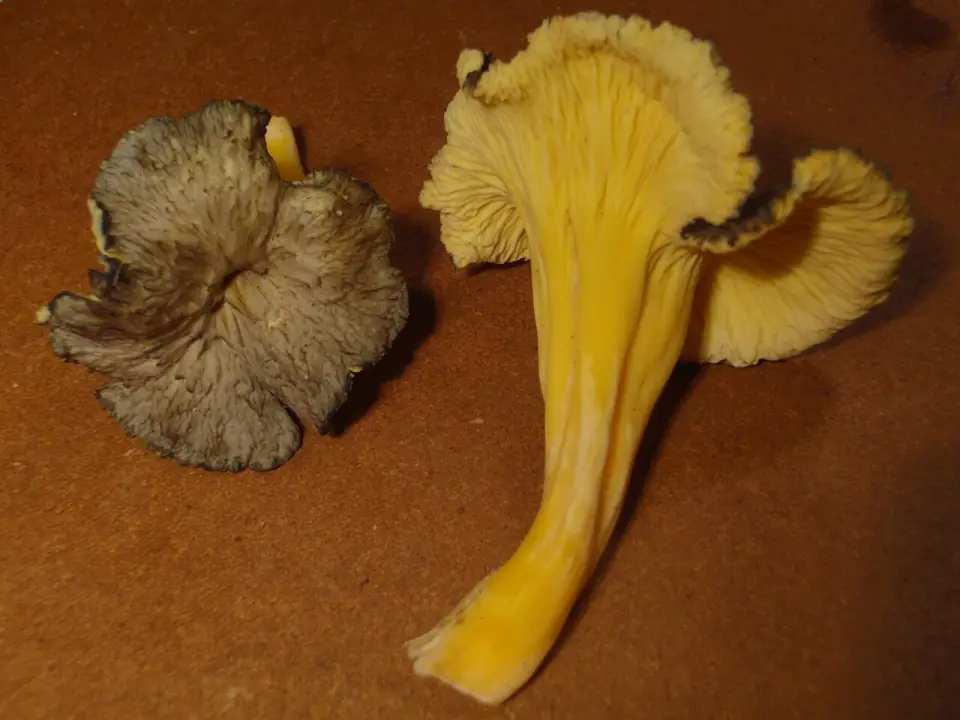
Photo: This image was created by user Chukchi (Chukchi) at Mushroom Observer, a source for mycological images.You can contact this user here. / Wikimedia Commons · CC BY-SA 3.0
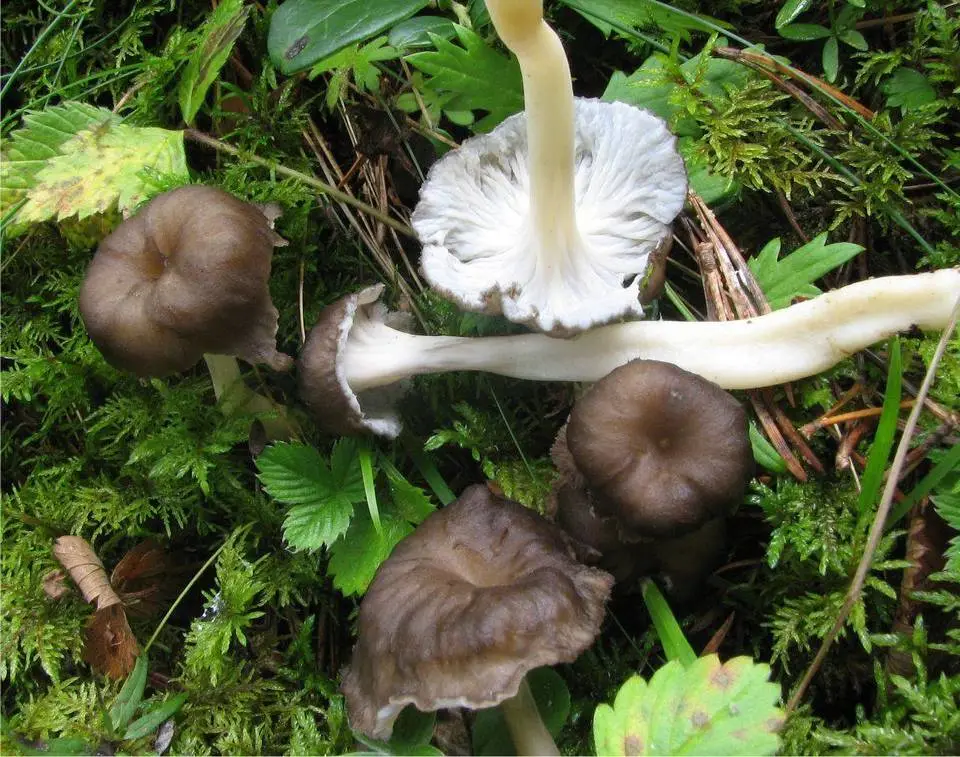
Photo: This image was created by user Irene Andersson (irenea) at Mushroom Observer, a source for mycological images.You can contact this user here. / Wikimedia Commons · CC BY-SA 3.0
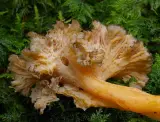
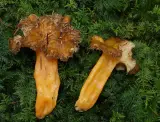
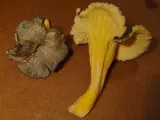
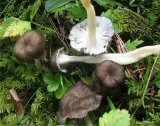
A small mushroom with a brown funnelled cap and a vivid, almost orange stem. The underside is smooth or barely veined. Fragrant and good for drying; it comes up in large troops, so the basket fills fast.
Quick facts
- Scientific name
- Craterellus lutescens (Fr.) Fr. (1838)
- Family
- Hydnaceae
- Edibility
- Edible
- Season
- Sep–Jan
- Usual altitude
- 295–1,322 m
- Under which trees
- Pine
- IUCN Red List
- Least concern (LC)
Where it grows
Damp mountain pine and fir woods on limestone or only slightly acid soil, in moss and needle litter, often by streams and on waterlogged ground; the north of the peninsula and the Pyrenees. A late species — October to January.
Confused with
- Winter chanterelleCraterellus tubaeformis
A grey stem and distinct veins instead of a smooth underside. Also edible.
When it has been found
Finds recorded in Spain, by month: 654 in all, from GBIF. They show when it fruits, and also when people go looking.
Where it has been found
Each square is an area of about 20 km with recorded finds; the darker, the more finds. It does not pinpoint patches: for where it is coming up now, see the forecast map.
Where it comes up
Areas where this species is scoring highest right now.
- Lluçanès ComarcasGood · peak excellent
- Berguedà ComarcasGood · peak excellent
- Montsiá ComarcasGood · peak excellent
- Ripollés ComarcasGood · peak excellent
- Moianès ComarcasGood · peak excellent
- Solsonés ComarcasGood · peak excellent
- Osona ComarcasGood · peak excellent
- El Baix Maestrat ComarcasModerate · peak excellent
Sources
The usual altitude and the trees come from our own fit of the model to those finds and to the Spanish Forest Map (Mapa Forestal de España).
Would you know them from a photograph? →
The description is for reference. Identifying a mushroom from a photograph is unreliable: do not eat anything you are not sure of.