 MicoRadar
Grey knight
Tricholoma terreum
Also called: Dirty tricholoma
In Spanish: Negrilla, Ratón, Fredolic, Morrico de corzo · In Catalan: Fredolic, Fredeluc, Negret, Brunet, Morro d'ovella, Gírgola d'estepa, Griset · In Basque: Ziza arre · In Galician: Ratiño, Pel de rato
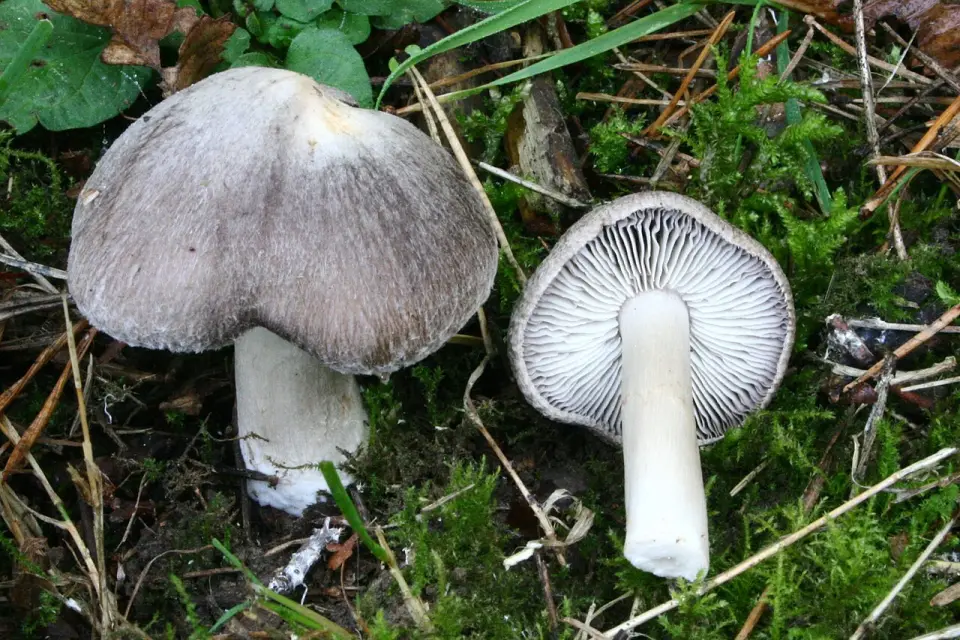
Photo: User:Strobilomyces / Wikimedia Commons · CC BY-SA 3.0
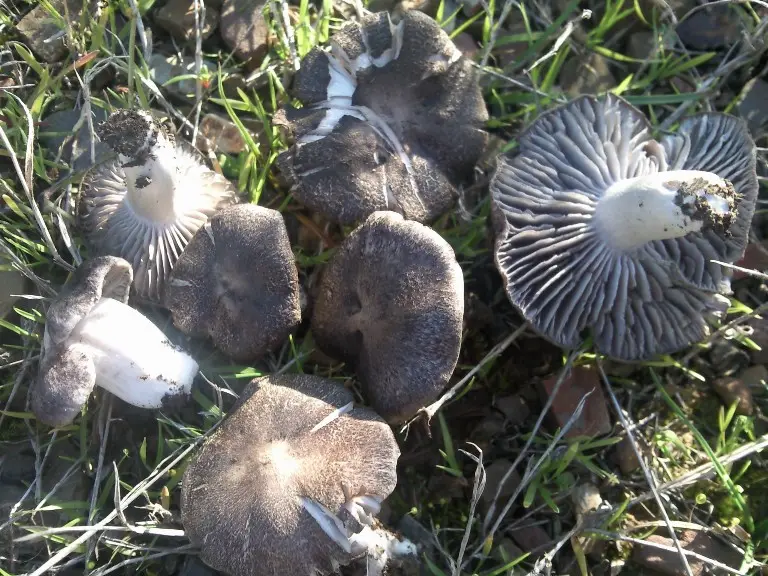
Photo: This image was created by user Souhila Aouali at Mushroom Observer, a source for mycological images.You can contact this user here. / Wikimedia Commons · CC BY-SA 3.0
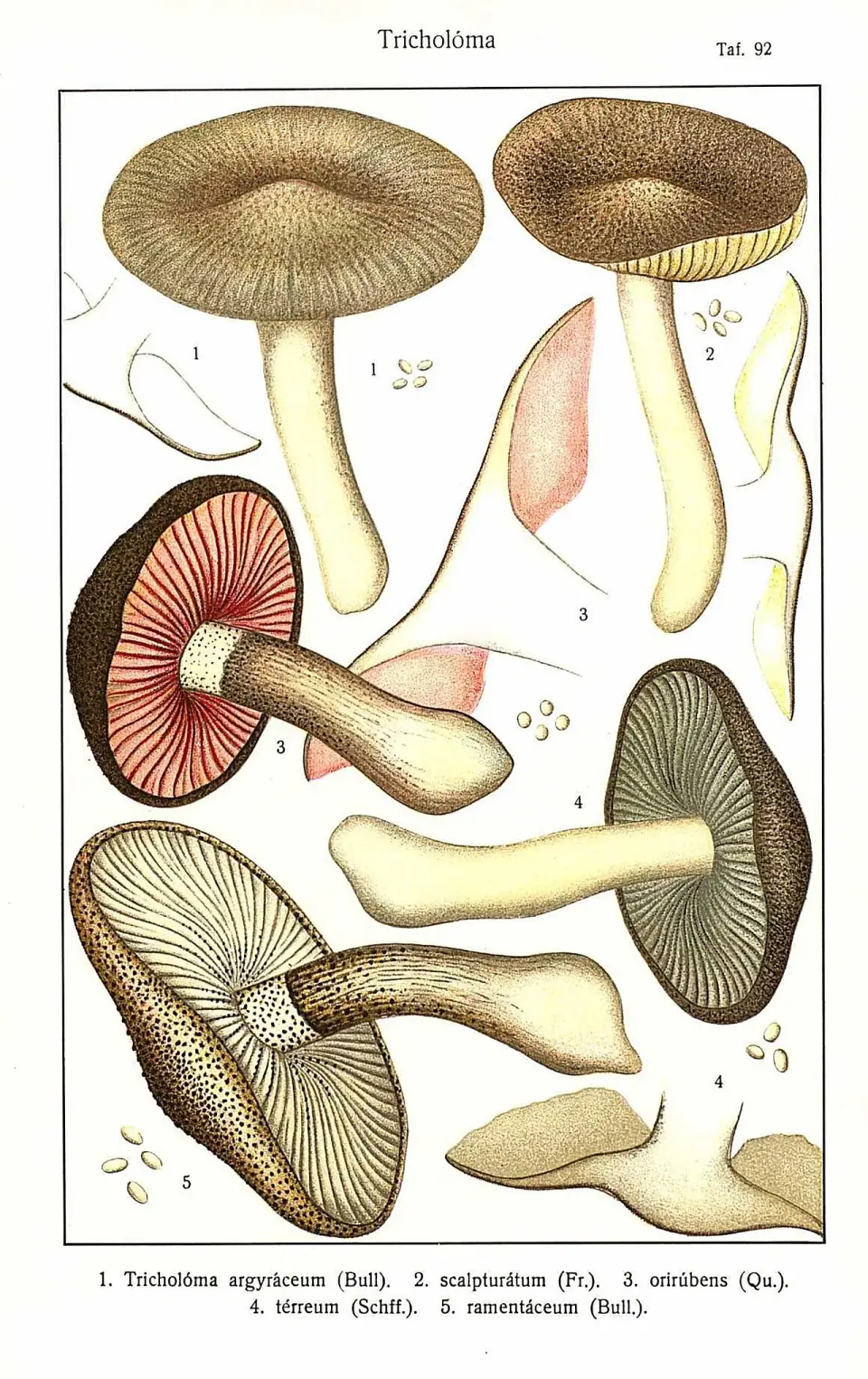
Photo: Adalbert Ricken / Wikimedia Commons · Public domain
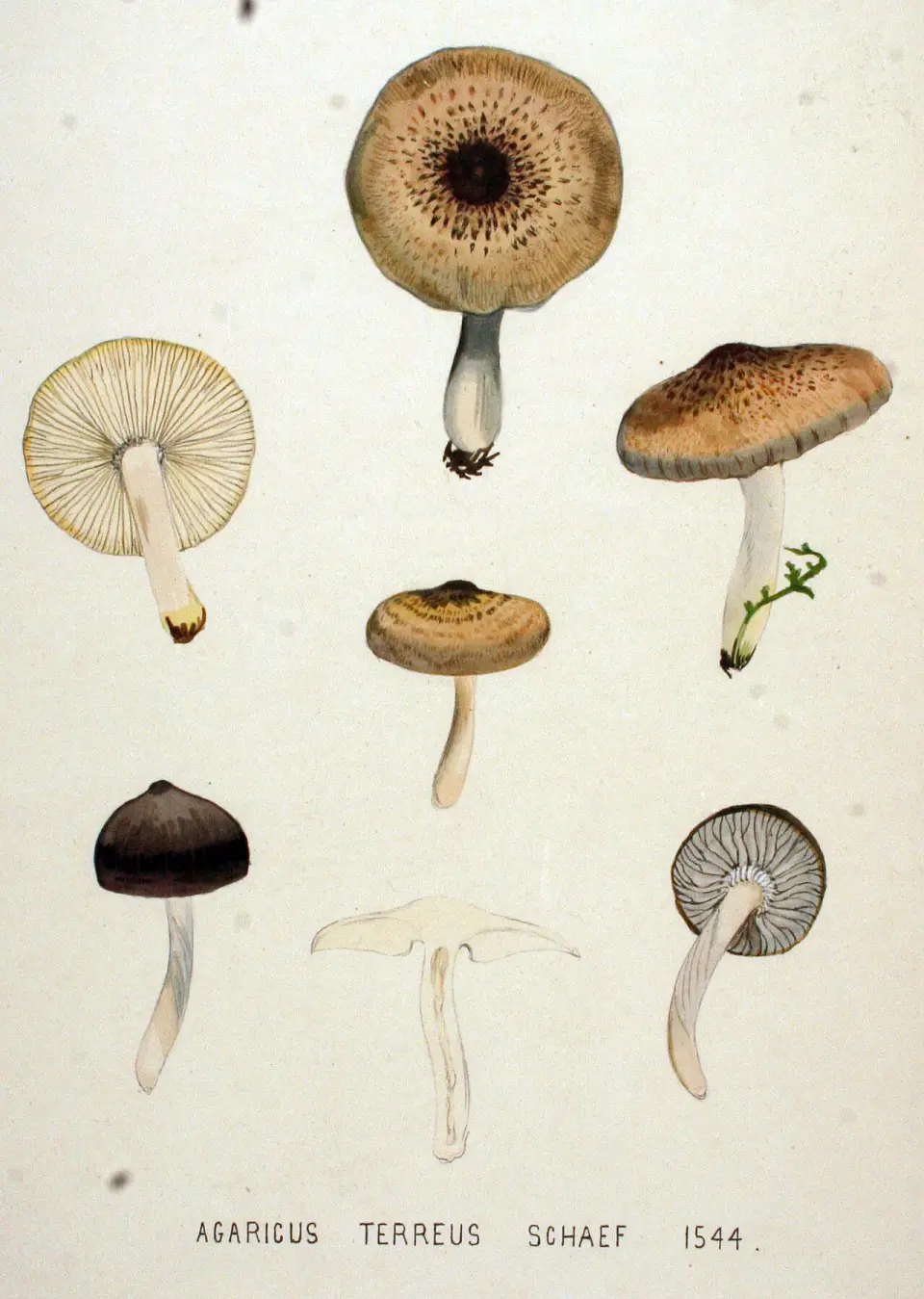
Photo: Jan Kops / Wikimedia Commons · Public domain
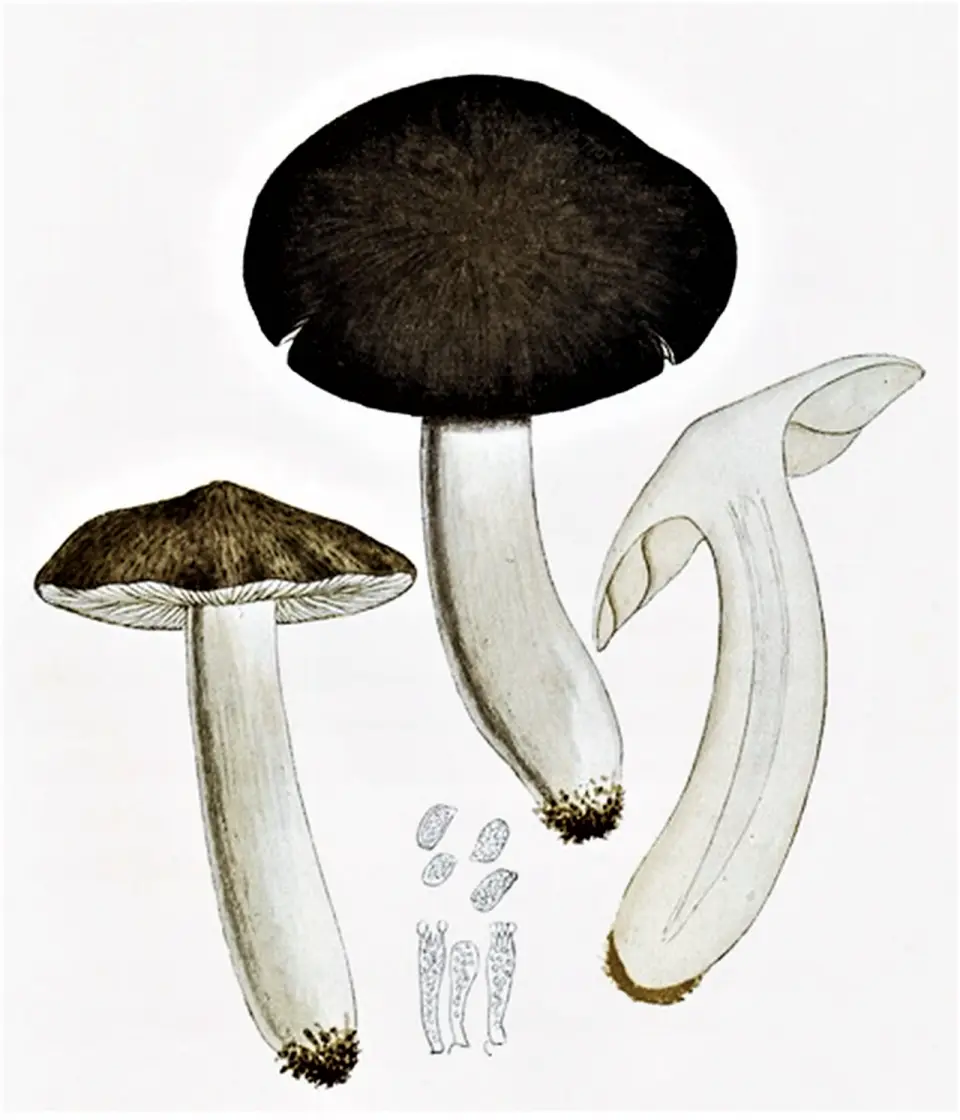
Photo: Giacomo Bresadola / Wikimedia Commons · Public domain
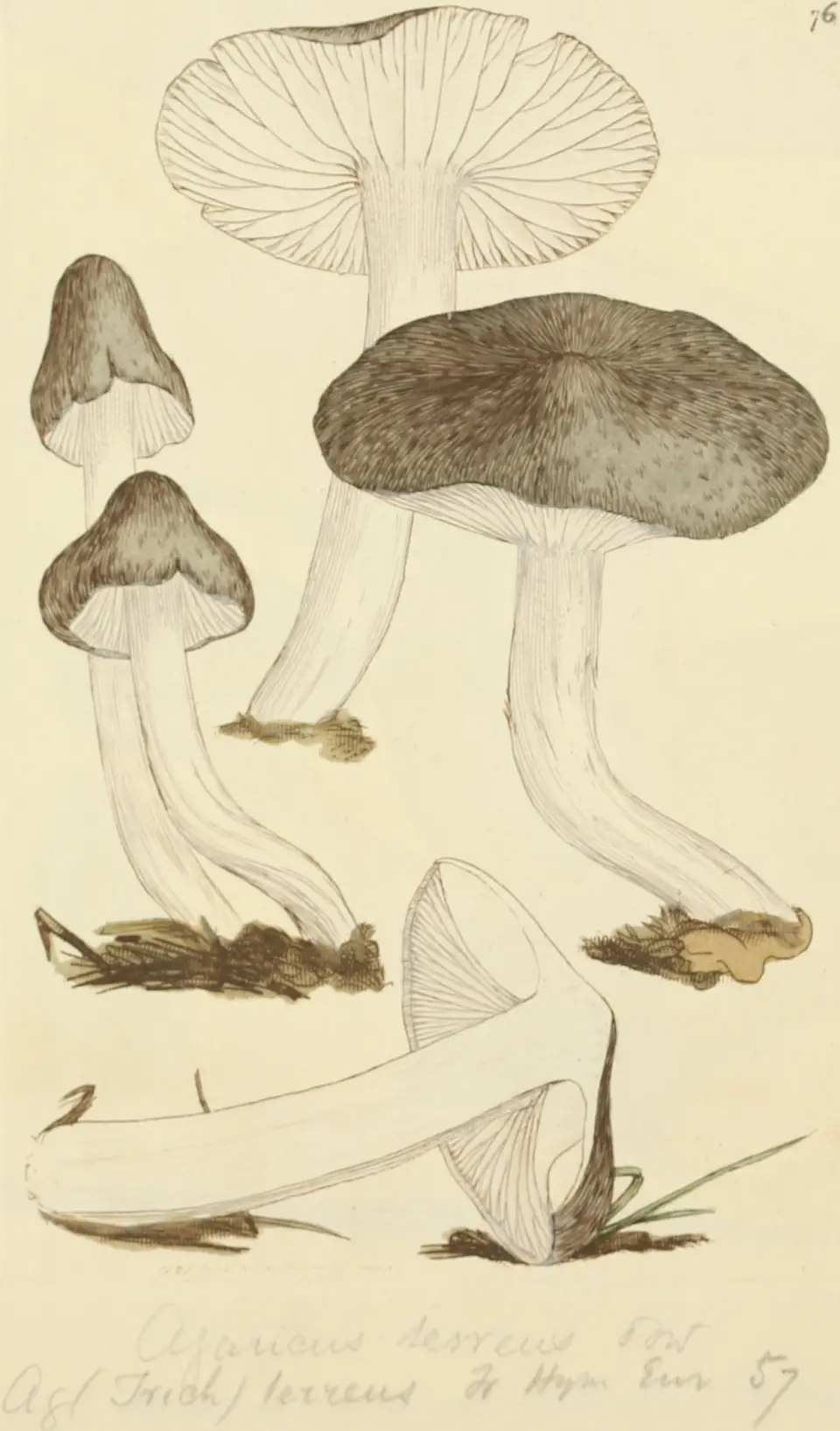
Photo: James Sowerby / Wikimedia Commons · Public domain
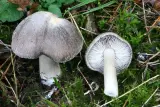
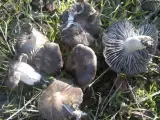
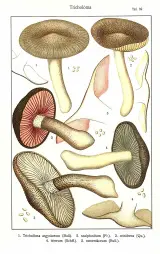
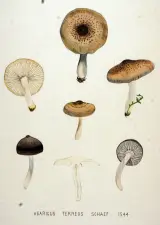
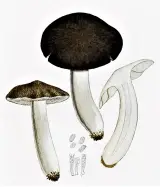
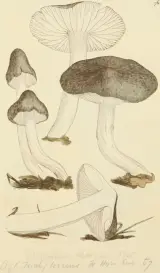
A small tricholoma with a dry, mouse-grey, felted and scaly cap, white gills and brittle white flesh with no marked smell. The seasonal mushroom par excellence of Spanish pinewoods. In the 2010s compounds toxic to mice at high doses were found in it; the question is still open, so it is sensible not to eat it in quantity or regularly.
Quick facts
- Scientific name
- Tricholoma terreum (Schaeff.) P.Kumm. (1871)
- Family
- Tricholomataceae
- Edibility
- Edible with caution
- Season
- Oct–Feb
- Usual altitude
- 236–1,422 m
- Under which trees
- Pine
- Dangerous look-alike
- Tiger tricholoma · Tricholoma pardinum
- IUCN Red List
- Not evaluated (NE)
Where it grows
Pinewoods on limestone, often beside paths and in thinly grassed clearings, in large troops. A late species — November to February.
Confused with
- Tiger tricholomaTricholoma pardinumdangerous
Larger, with dark flattened scales over the cap, thick flesh and a mealy smell. It causes severe poisoning.
When it has been found
Finds recorded in Spain, by month: 1,601 in all, from GBIF. They show when it fruits, and also when people go looking.
Where it has been found
Each square is an area of about 20 km with recorded finds; the darker, the more finds. It does not pinpoint patches: for where it is coming up now, see the forecast map.
Where it comes up
Areas where this species is scoring highest right now.
- Berguedà ComarcasGood · peak excellent
- Ripollés ComarcasGood · peak excellent
- Gúdar-Javalambre ComarcasModerate · peak excellent
- Els Ports and the Maestrat Mountain rangesModerate · peak excellent
- Lluçanès ComarcasModerate · peak excellent
- Moianès ComarcasModerate · peak excellent
- Solsonés ComarcasModerate · peak excellent
- Osona ComarcasModerate · peak excellent
Sources
The usual altitude and the trees come from our own fit of the model to those finds and to the Spanish Forest Map (Mapa Forestal de España).
Would you know them from a photograph? →
The description is for reference. Identifying a mushroom from a photograph is unreliable: do not eat anything you are not sure of.