 MicoRadar
Fly agaric
Amanita muscaria
Also called: Fly amanita
In Spanish: Matamoscas, Falsa oronja, Oronja pintada, Seta de los enanitos · In Catalan: Reig bord, Reig de fageda, Reig foll, Reig vermell, Reig tinyós, Matamosques · In Basque: Kuleto faltsu, Kuleto paltso · In Galician: Rebentabois, Brincabois, Amanita pinta, Atolamoscas
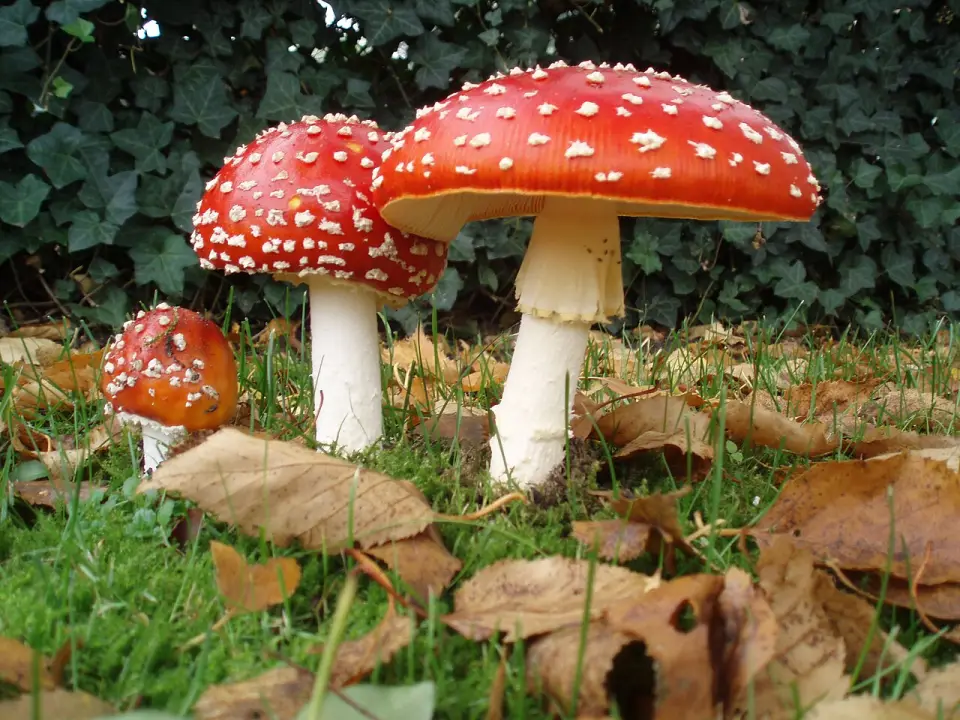
Photo: Onderwijsgek / Wikimedia Commons · CC BY-SA 3.0 nl
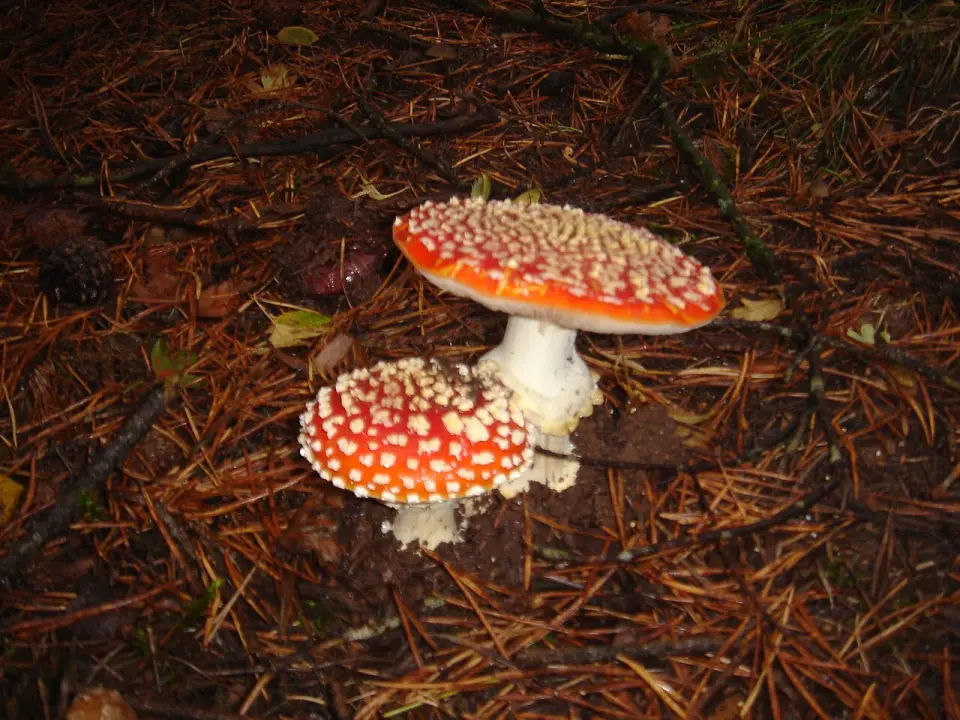
Photo: Alberto Cemborain / Wikimedia Commons · CC BY 3.0
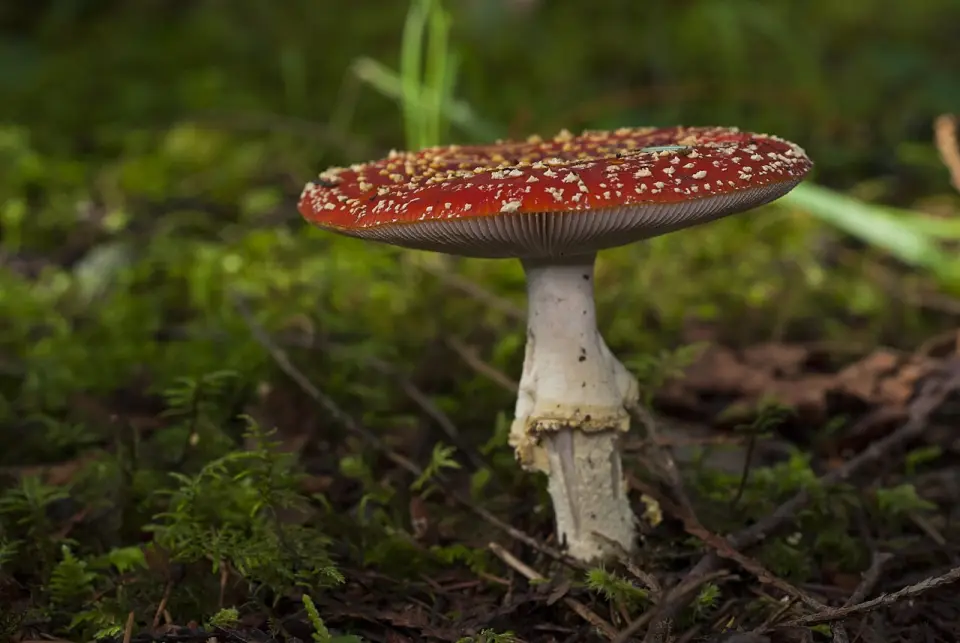
Photo: Scott Darbey from Canada / Wikimedia Commons · CC BY 2.0
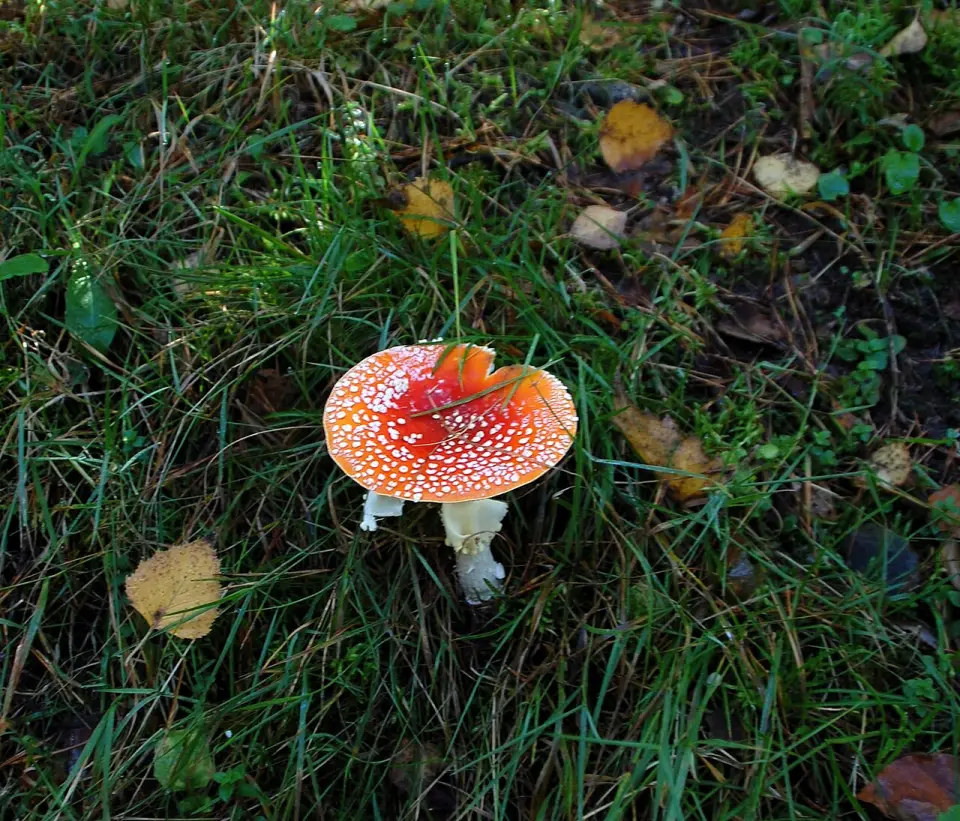
Photo: Achim Raschka (talk) / Wikimedia Commons · CC BY-SA 4.0
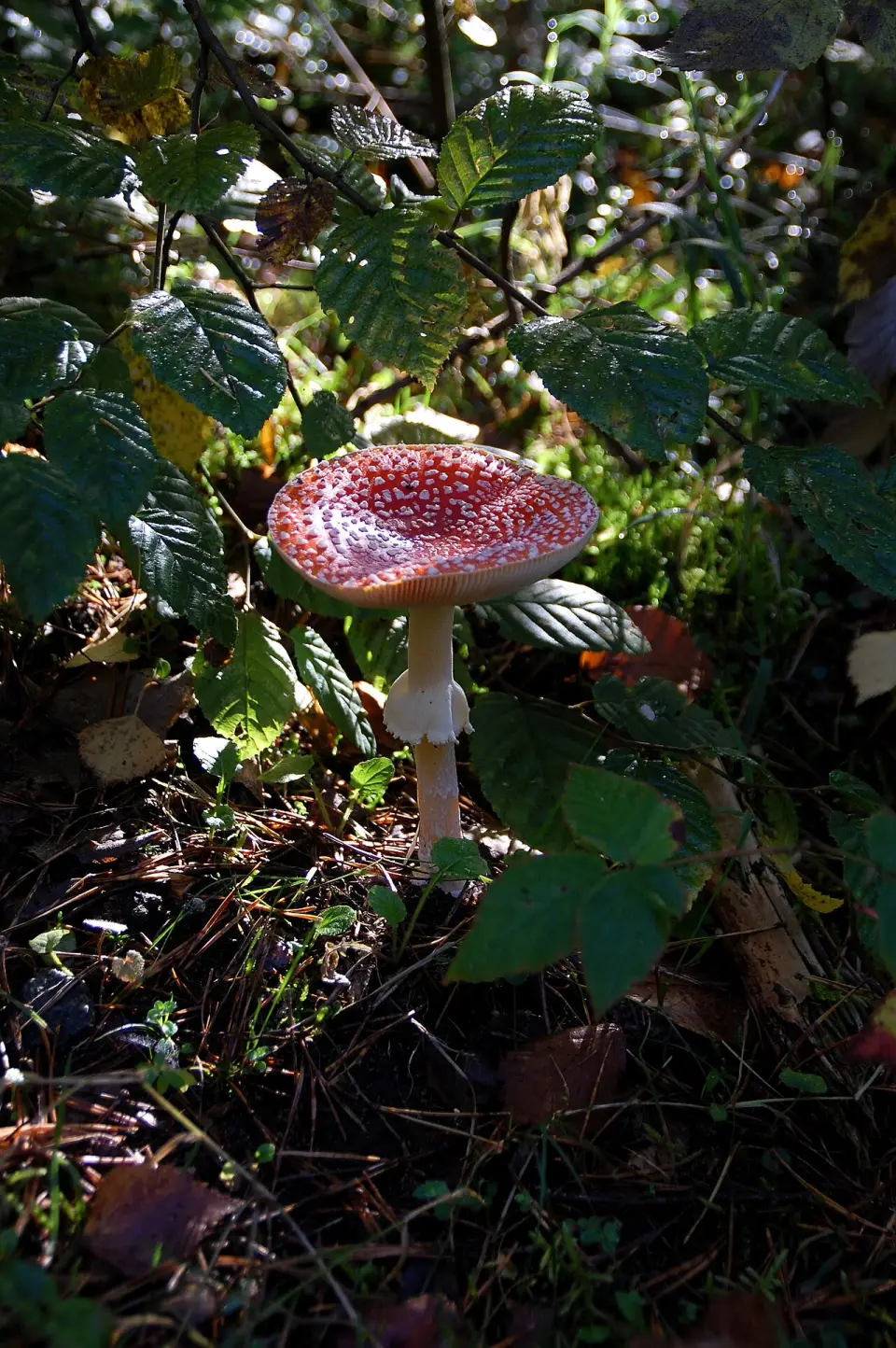
Photo: Achim Raschka (talk) / Wikimedia Commons · CC BY-SA 4.0
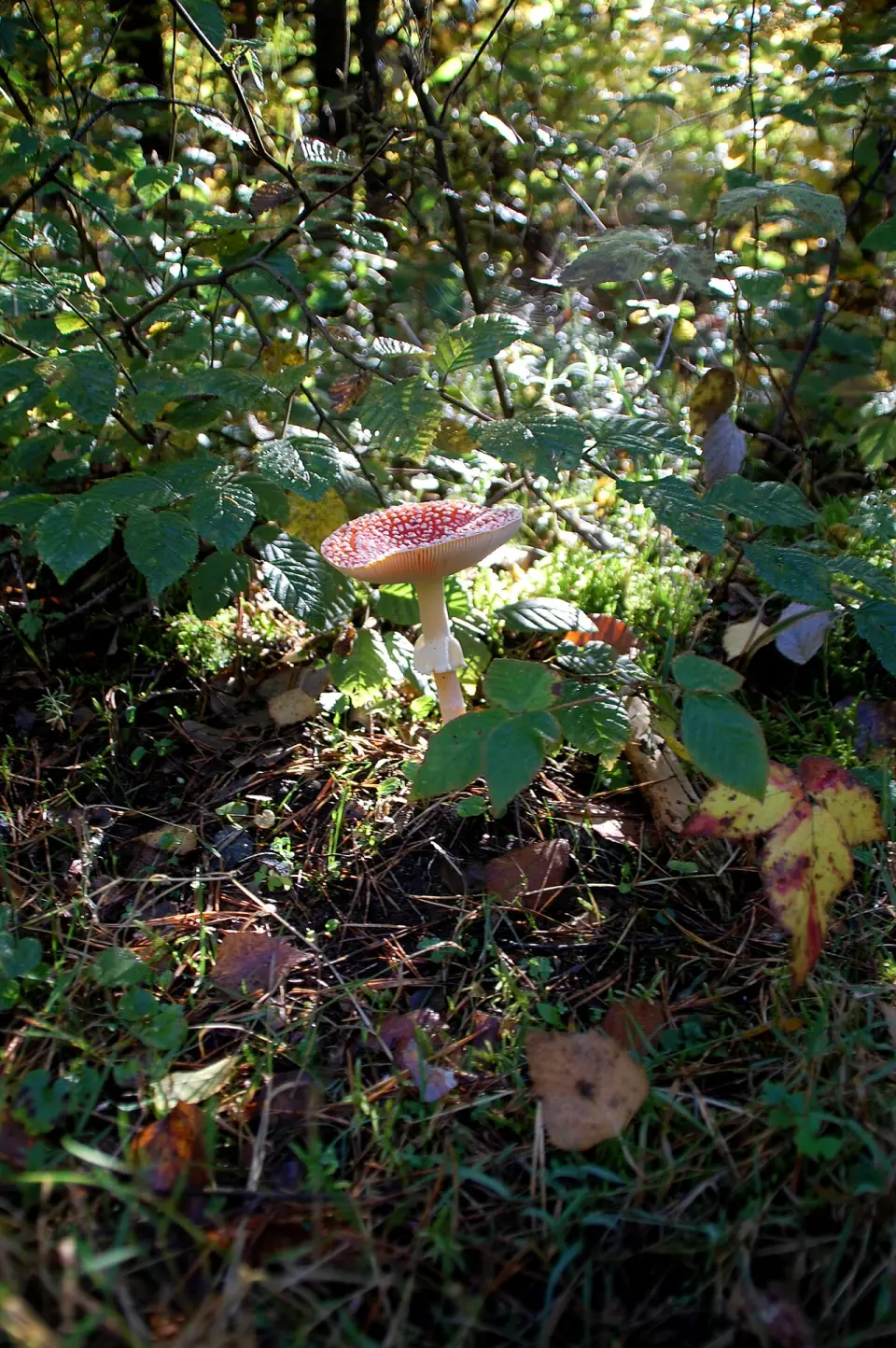
Photo: Achim Raschka (talk) / Wikimedia Commons · CC BY-SA 4.0
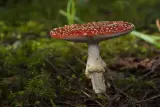
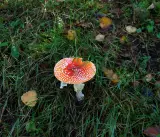
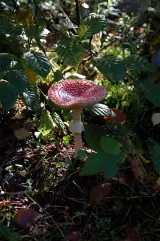
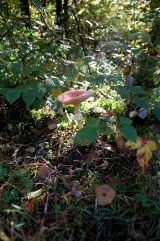
Do not pick and do not taste. It is on the map for reference — so you know it by sight.
A vivid red cap flecked with white, white gills, and a white stem with a ring and a bulbous base girdled with bands. It contains ibotenic acid and muscimol, which cause nausea, confusion, hallucinations and delirium. Deaths are rare, but the poisonings are serious. It is on the map so that you know it by sight, not so that you pick it.
Quick facts
- Scientific name
- Amanita muscaria (L.) Lam. (1783)
- Family
- Amanitaceae
- Edibility
- Toxic
- Season
- Sep–Nov
- Usual altitude
- 231–1,704 m
- Under which trees
- Pine, Beech, Birch, Eucalyptus, Oak
- IUCN Red List
- Not evaluated (NE)
Where it grows
Birch, pine, fir and eucalyptus; the acid soils of the northern peninsula and of upland plantations. September to November.
Confused with
- Caesar's mushroomAmanita caesarea
Yellow gills and a yellow stem, and no flecks on the cap. Edible — but check the gills, not the cap colour: rain washes the flecks away.
When it has been found
Finds recorded in Spain, by month: 3,019 in all, from GBIF. They show when it fruits, and also when people go looking.
Where it has been found
Each square is an area of about 20 km with recorded finds; the darker, the more finds. It does not pinpoint patches: for where it is coming up now, see the forecast map.
Where it comes up
Areas where this species is scoring highest right now.
- Berguedà ComarcasExcellent · peak excellent
- Ripollés ComarcasExcellent · peak excellent
- Lluçanès ComarcasExcellent · peak excellent
- Pirineo ComarcasGood · peak excellent
- Osona ComarcasGood · peak excellent
- Solsonés ComarcasGood · peak excellent
- Gúdar-Javalambre ComarcasGood · peak excellent
- Sierra de Albarracín ComarcasModerate · peak excellent
In guides and news
- Weekend 17–18 October: good-condition area up for all five leading species
State of the forest
Sources
The usual altitude and the trees come from our own fit of the model to those finds and to the Spanish Forest Map (Mapa Forestal de España).
Would you know them from a photograph? →
The description is for reference. Identifying a mushroom from a photograph is unreliable: do not eat anything you are not sure of.