 MicoRadar
Funeral bell
Galerina marginata
Also called: Deadly galerina, Autumn skullcap
In Spanish: Galerina marginada, Galerina rebordeada, Seta rebordeada · In Catalan: Galerina metzinosa, Camasec bord · In Basque: Galera hiltzaile, Hankamehe hiltzaile
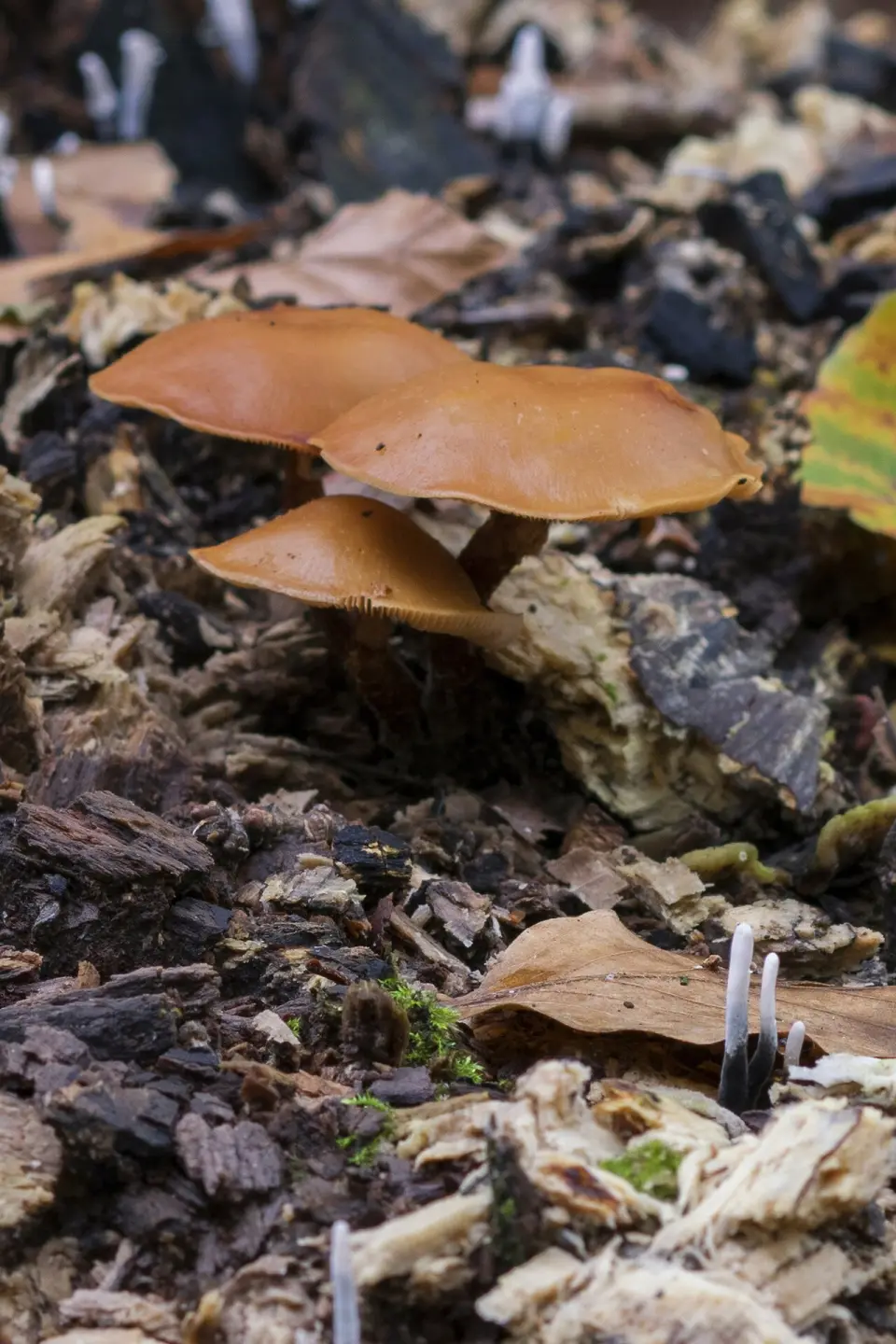
Photo: Jeuwre / Wikimedia Commons · CC BY 2.0
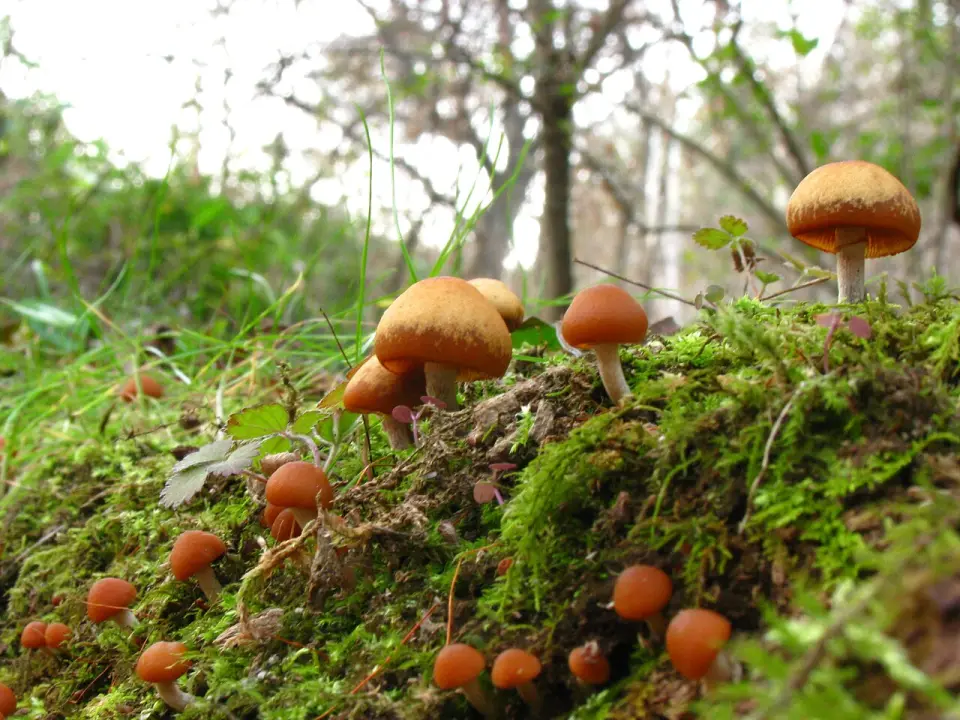
Photo: This image was created by user Dan Molter (shroomydan) at Mushroom Observer, a source for mycological images.You can contact this user here. / Wikimedia Commons · CC BY-SA 3.0
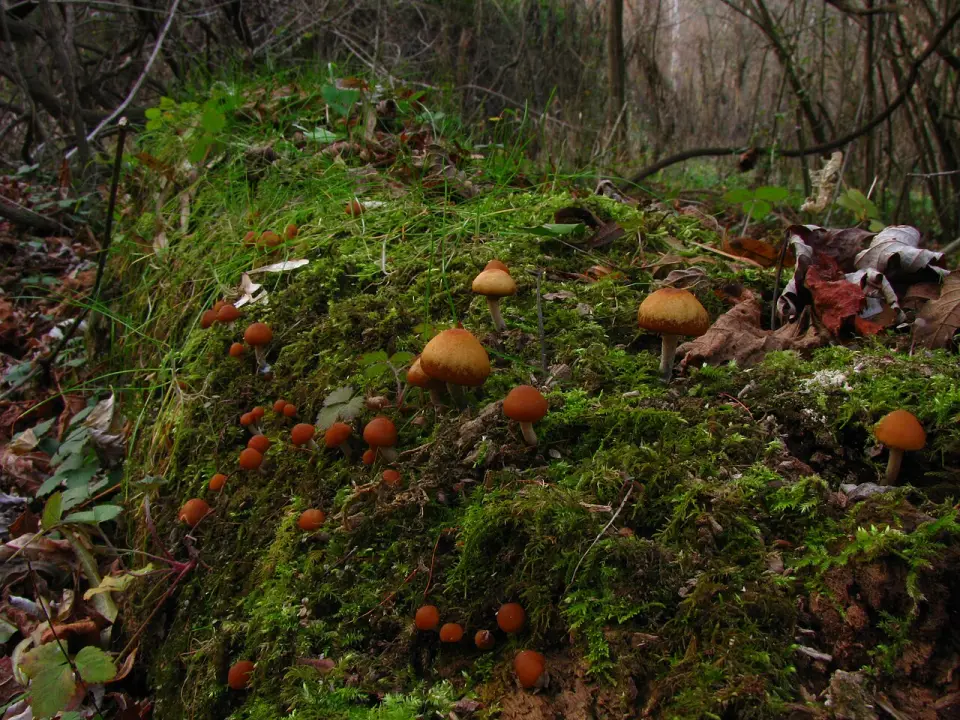
Photo: This image was created by user Dan Molter (shroomydan) at Mushroom Observer, a source for mycological images.You can contact this user here. / Wikimedia Commons · CC BY-SA 3.0
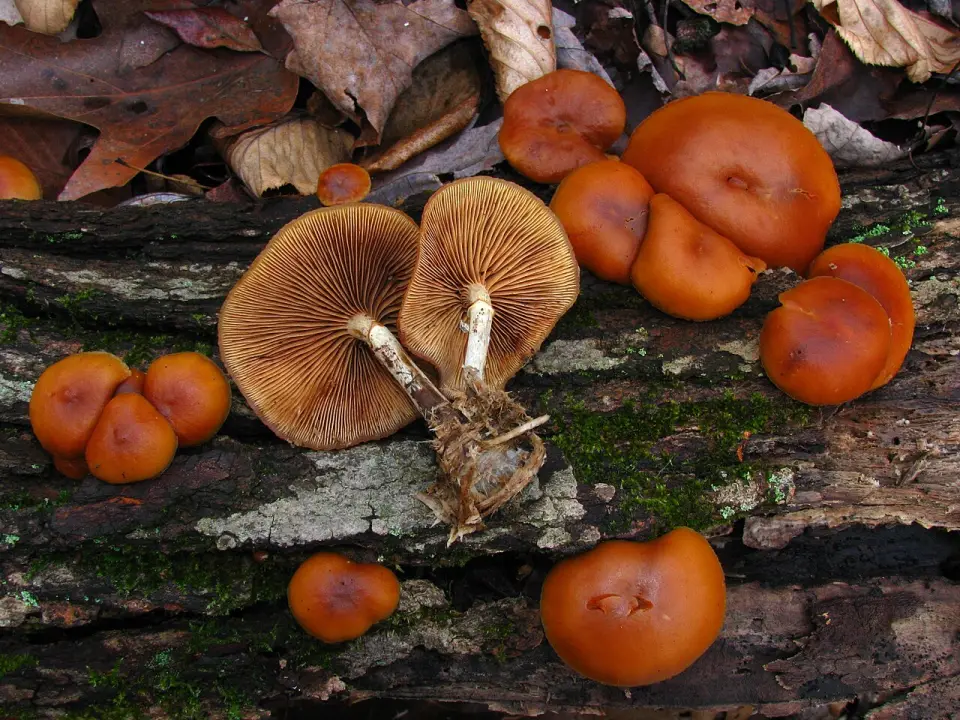
Photo: This image was created by user Dan Molter (shroomydan) at Mushroom Observer, a source for mycological images.You can contact this user here. / Wikimedia Commons · CC BY-SA 3.0
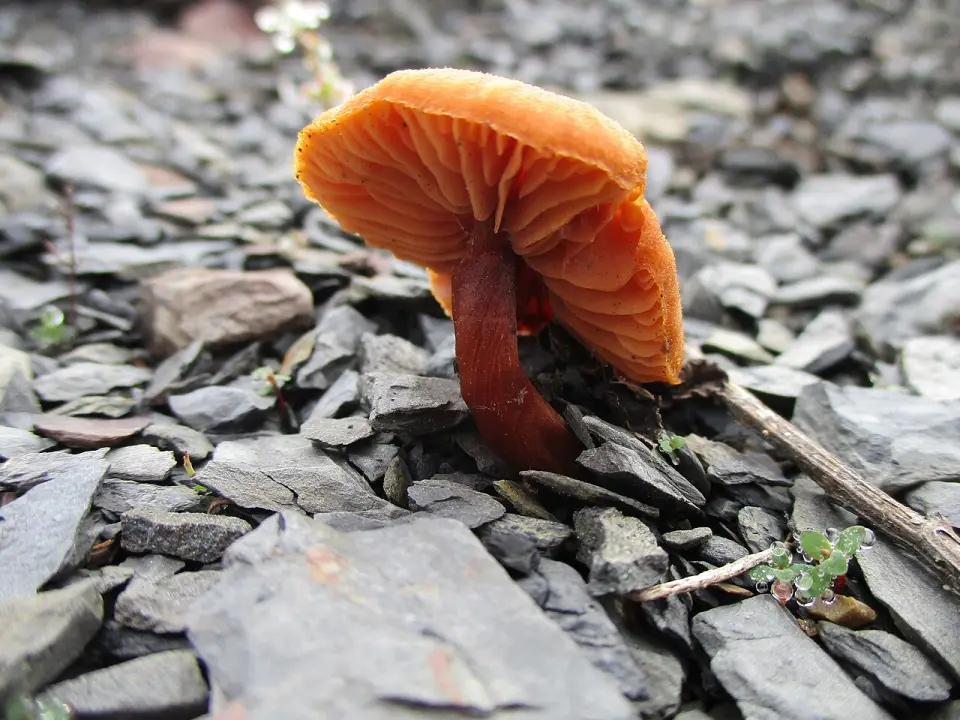
Photo: AnRo0002 / Wikimedia Commons · CC0
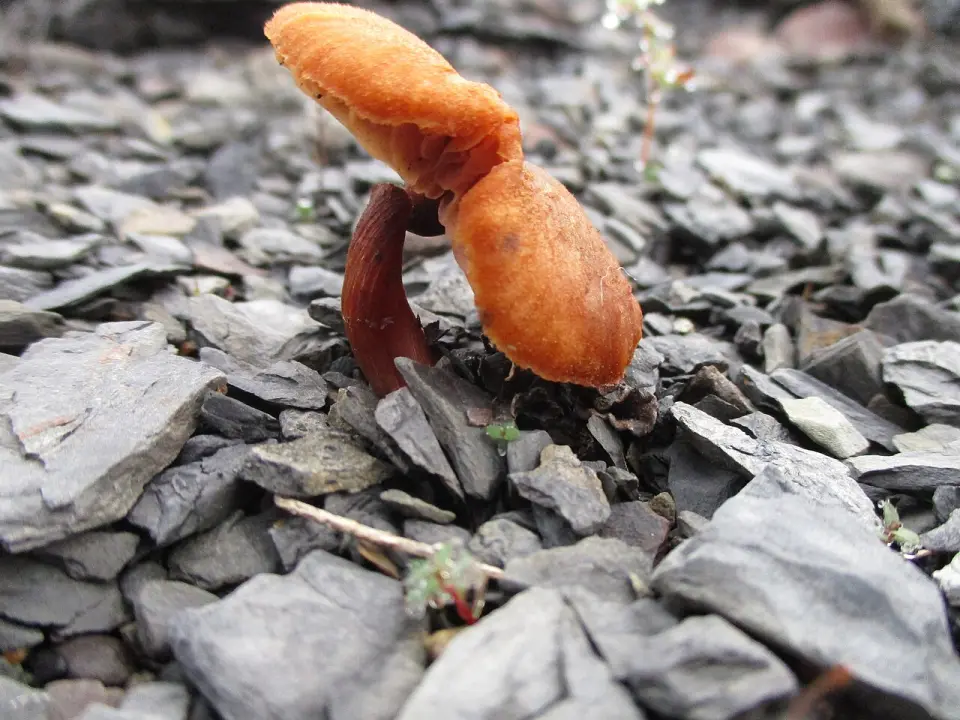
Photo: AnRo0002 / Wikimedia Commons · CC0
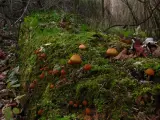
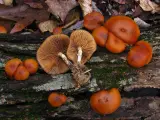
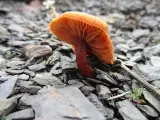
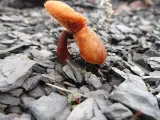
Do not pick and do not taste. It is on the map for reference — so you know it by sight.
A small brown mushroom nobody would look at twice, carrying the same amatoxins as the death cap. The cap is hygrophanous — honey to ochre depending on how wet it is — the stem has a membranous ring, and the spore print is rusty brown. It grows in tight clusters on dead wood, mostly of conifers but of broadleaves too, often on buried remains that make it look like it came out of the ground. A handful is enough to destroy a liver.
Quick facts
- Scientific name
- Galerina marginata (Batsch) Kühner (1935)
- Family
- Hymenogastraceae
- Edibility
- Deadly
- Season
- Sep–Dec
- Usual altitude
- 315–1,425 m
- Under which trees
- Pine, Holm oak, Beech, Oak, Chestnut
- Dangerous look-alike
- Sheathed woodtuft · Kuehneromyces mutabilis
- IUCN Red List
- Not evaluated (NE)
Where it grows
Stumps, fallen trunks and buried wood of pine and fir, less often of broadleaves. From late summer well into winter.
Confused with
- Sheathed woodtuftKuehneromyces mutabilisdangerous
Edible, the same size and colour, clustered on wood and with a ring. It is told apart by the scaly stem below the ring, but not by the wood: the funeral bell grows on broadleaves too. This is the confusion that has killed more experienced foragers in Europe than any other: check the stem of every single mushroom, and at the slightest doubt leave them all.
- Honey fungusArmillaria mellea
Considerably larger, the cap covered in small dark scales, and the spore print is white rather than rusty. Edible after cooking, but it is the spore print that settles the question.
When it has been found
Finds recorded in Spain, by month: 626 in all, from GBIF. They show when it fruits, and also when people go looking.
Where it has been found
Each square is an area of about 20 km with recorded finds; the darker, the more finds. It does not pinpoint patches: for where it is coming up now, see the forecast map.
Where it comes up
Areas where this species is scoring highest right now.
- Montseny massif MassifsExcellent · peak excellent
- Berguedà ComarcasExcellent · peak excellent
- Osona ComarcasExcellent · peak excellent
- Ripollés ComarcasExcellent · peak excellent
- Lluçanès ComarcasExcellent · peak excellent
- Garrotxa ComarcasExcellent · peak excellent
- Solsonés ComarcasGood · peak excellent
- Pirineo ComarcasGood · peak excellent
In guides and news
- Cataluña, 17–18 October: conditions better than a week ago
State of the forest
Sources
The usual altitude and the trees come from our own fit of the model to those finds and to the Spanish Forest Map (Mapa Forestal de España).
Would you know them from a photograph? →
The description is for reference. Identifying a mushroom from a photograph is unreliable: do not eat anything you are not sure of.