 MicoRadar
Pine bolete
Boletus pinophilus
Also called: Pinewood king bolete
In Spanish: Hongo rojo, Boleto pinícola, Boleto de pino, Hongo de pino, Hongo caoba · In Catalan: Cep rogenc, Cep dels pins, Cep vermellós · In Basque: Kaskabeltz, Kaskagorri, Onddo gorri, Onddo pinu · In Galician: Andoa dos piñeiros
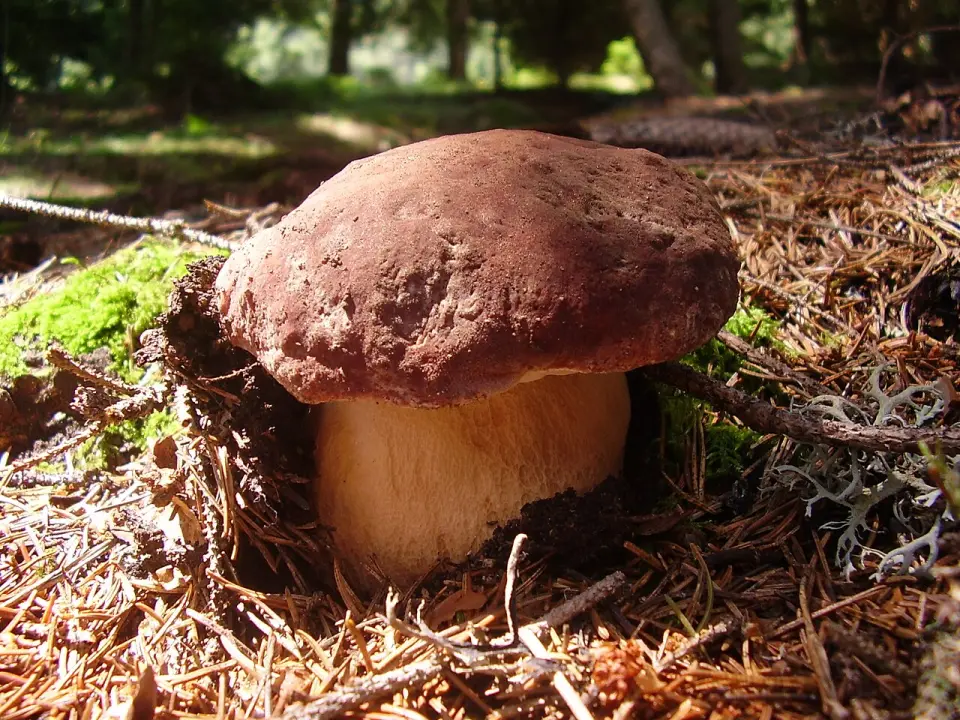
Photo: Paffka / Wikimedia Commons · CC BY-SA 3.0
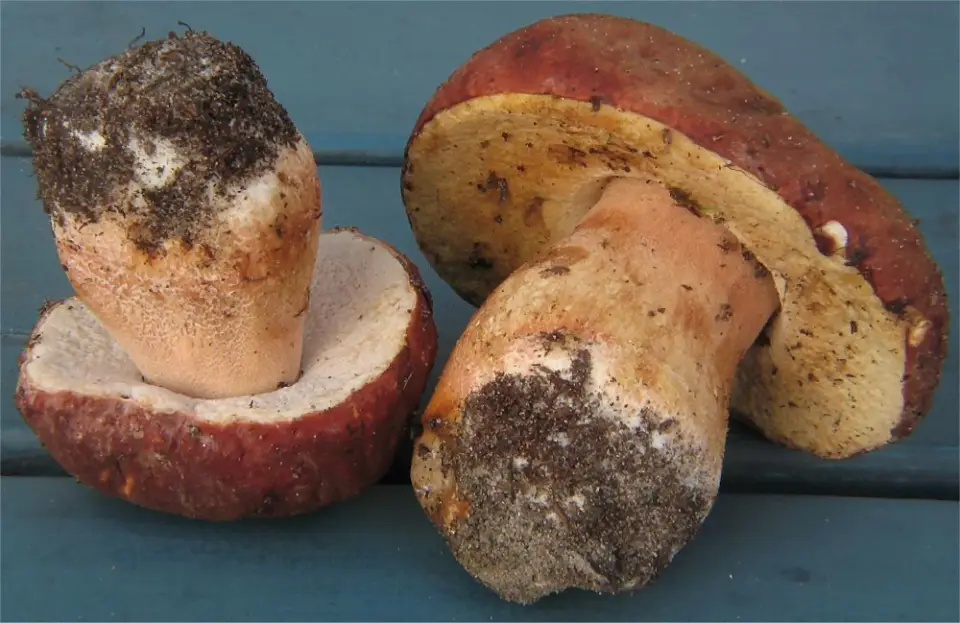
Photo: This image was created by user Irene Andersson (irenea) at Mushroom Observer, a source for mycological images.You can contact this user here. / Wikimedia Commons · CC BY-SA 3.0
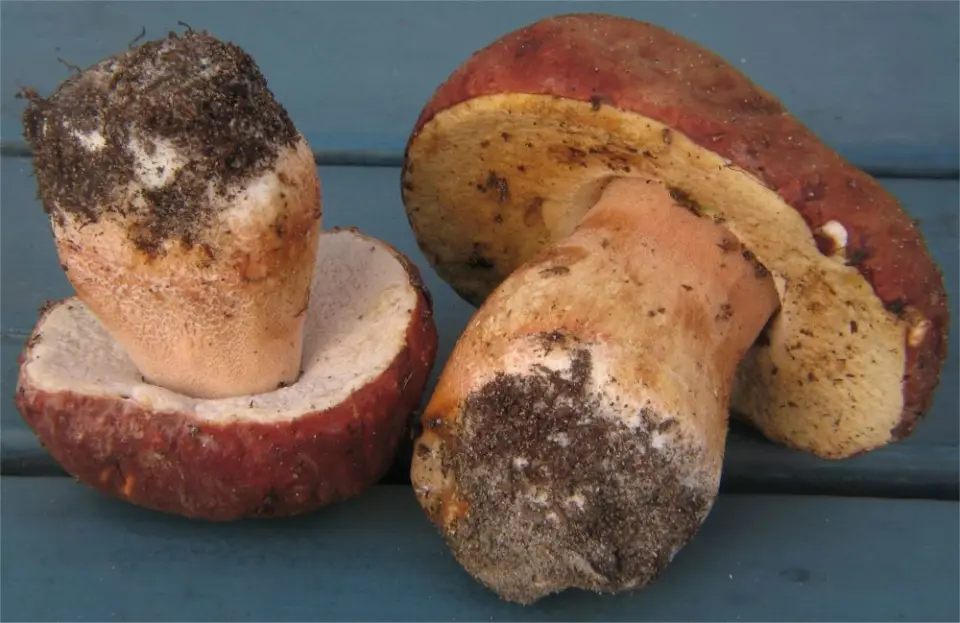
Photo: This image was created by user Irene Andersson (irenea) at Mushroom Observer, a source for mycological images.You can contact this user here. / Wikimedia Commons · CC BY-SA 3.0
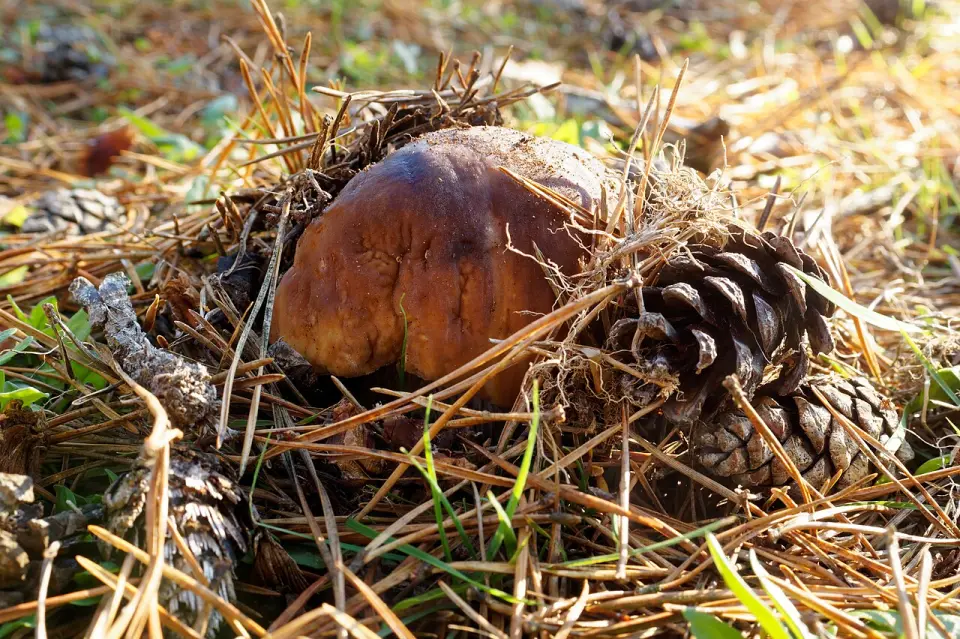
Photo: Lukas from London, England / Wikimedia Commons · CC BY-SA 2.0
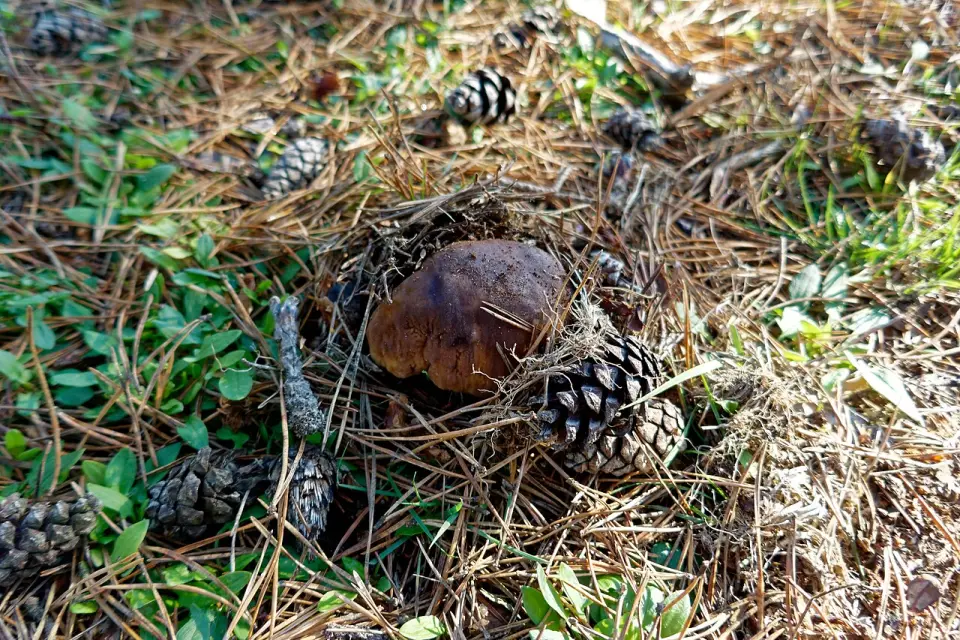
Photo: Lukas from London, England / Wikimedia Commons · CC BY-SA 2.0
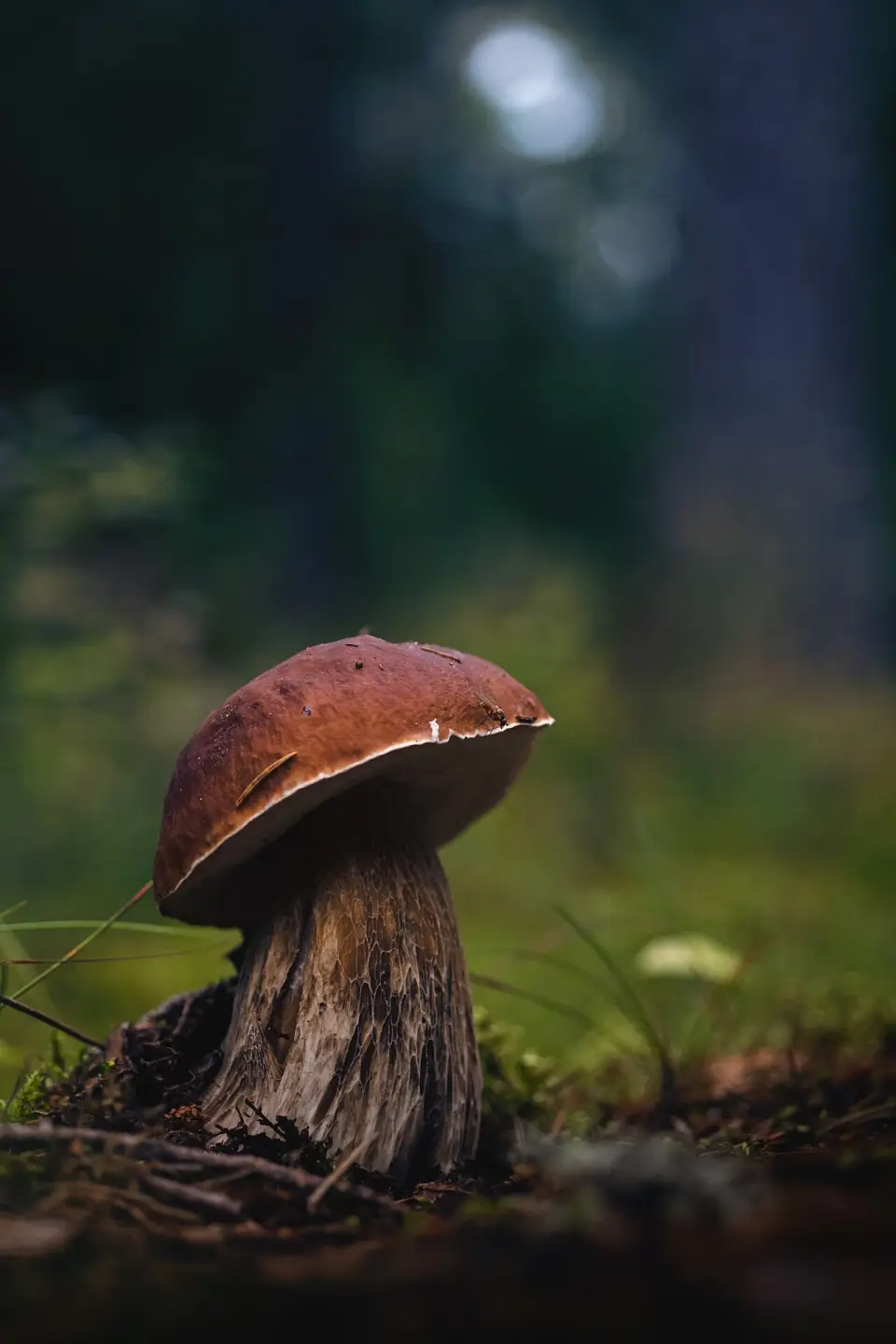
Photo: Tero Karppinen from Finland / Wikimedia Commons · CC BY 2.0
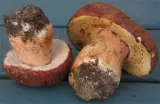
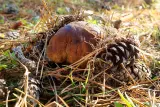
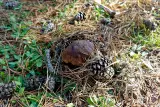
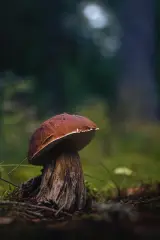
A species in its own right, a close relative of the penny bun, with a wine-red or coppery brown cap and a matching pinkish net on the stem. White, firm flesh that does not change colour. On the plate it is the equal of the penny bun.
Quick facts
- Scientific name
- Boletus pinophilus Pilát & Dermek (1973)
- Family
- Boletaceae
- Edibility
- Edible
- Season
- Sep–Nov
- Usual altitude
- 545–1,658 m
- Under which trees
- Pine
- IUCN Red List
- Least concern (LC)
Where it grows
Strictly pine woods — Scots and maritime pine, often on sandy soil under heather. The mountain pinewoods of Soria, Burgos and the Pyrenees.
Confused with
- Bitter boleteTylopilus felleus
A dark net on the stem, tubes that turn pink, bitterness.
When it has been found
Finds recorded in Spain, by month: 307 in all, from GBIF. They show when it fruits, and also when people go looking.
Where it has been found
Each square is an area of about 20 km with recorded finds; the darker, the more finds. It does not pinpoint patches: for where it is coming up now, see the forecast map.
Where it comes up
Areas where this species is scoring highest right now.
- Berguedà ComarcasExcellent · peak excellent
- Lluçanès ComarcasGood · peak excellent
- Ripollés ComarcasGood · peak excellent
- Osona ComarcasGood · peak excellent
- Solsonés ComarcasGood · peak excellent
- Pirineo ComarcasModerate · peak excellent
- Sierra de Albarracín ComarcasModerate · peak excellent
- Els Ports and the Maestrat Mountain rangesModerate · peak excellent
In guides and news
Sources
The usual altitude and the trees come from our own fit of the model to those finds and to the Spanish Forest Map (Mapa Forestal de España).
Would you know them from a photograph? →
The description is for reference. Identifying a mushroom from a photograph is unreliable: do not eat anything you are not sure of.