 MicoRadar
Summer cep
Boletus reticulatus
Also called: Summer bolete
In Spanish: Hongo de verano, Boleto reticulado, Boleto estival, Boleto de verano · In Catalan: Cep d'estiu, Rourenc d'estiu · In Basque: Udako onddo zuri
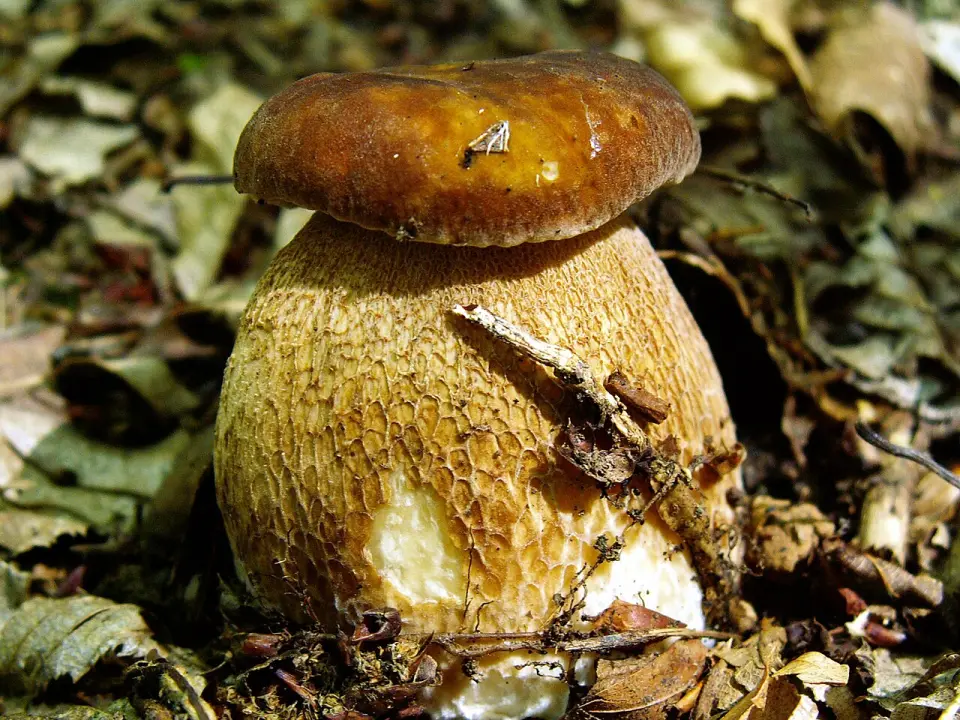
Photo: Rude / Wikimedia Commons · CC BY-SA 3.0
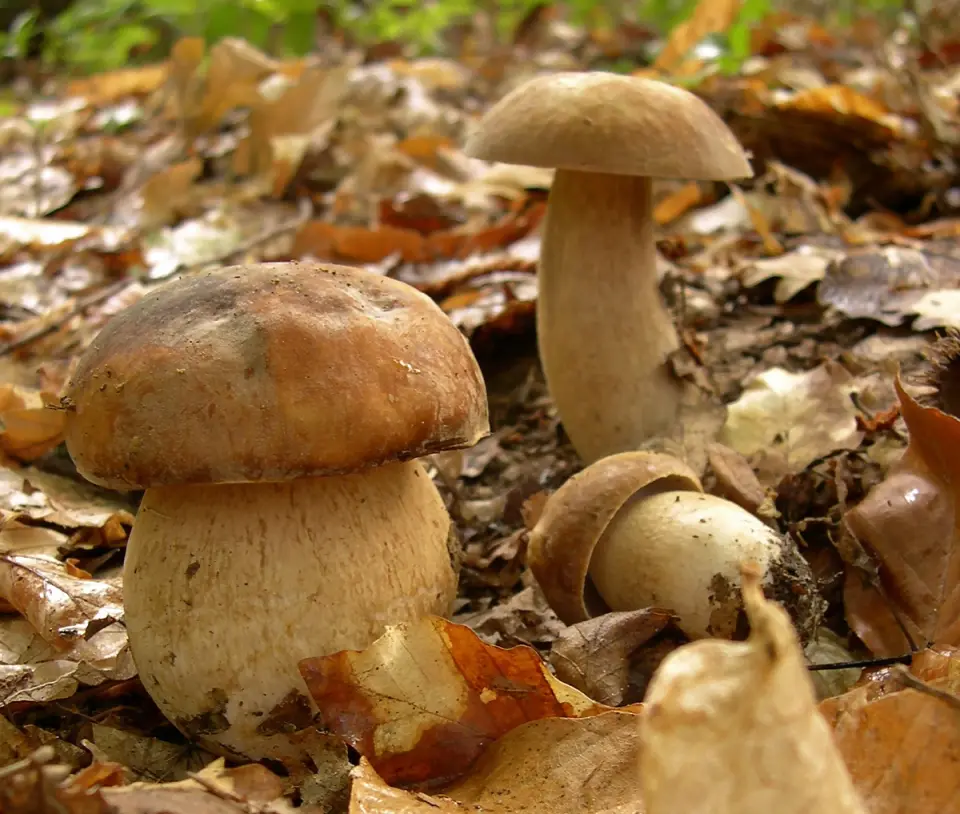
Photo: BoletusAestivalis.JPG: Archenzo derivative work: Ak ccm (talk) / Wikimedia Commons · CC BY-SA 3.0
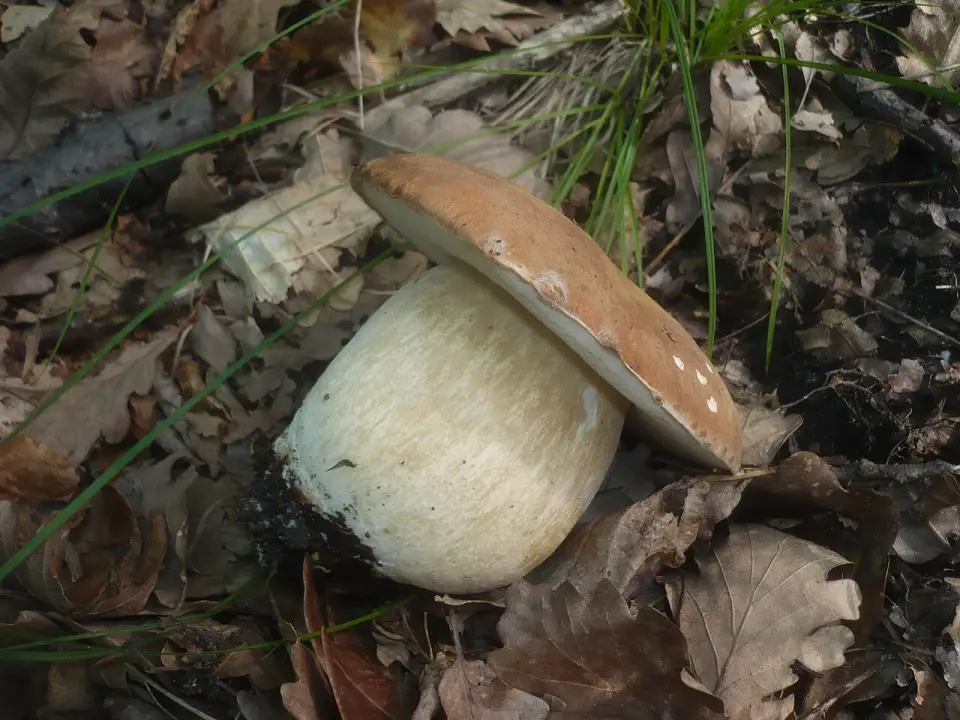
Photo: This image was created by user Gerhard Koller (Gerhard) at Mushroom Observer, a source for mycological images.You can contact this user here. / Wikimedia Commons · CC BY-SA 3.0
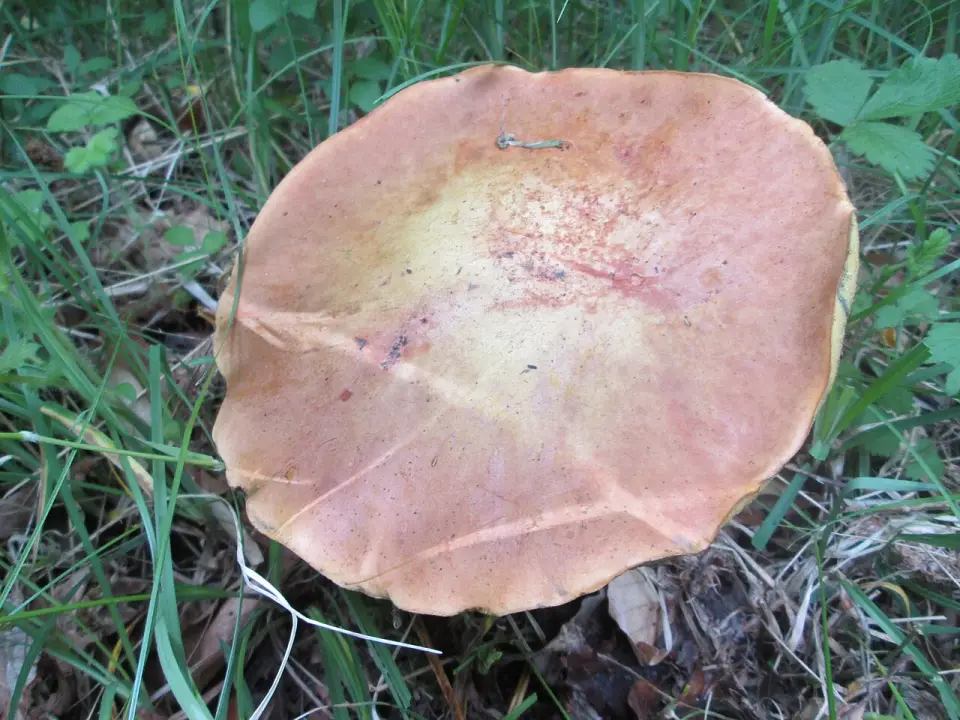
Photo: AnRo0002 / Wikimedia Commons · CC0
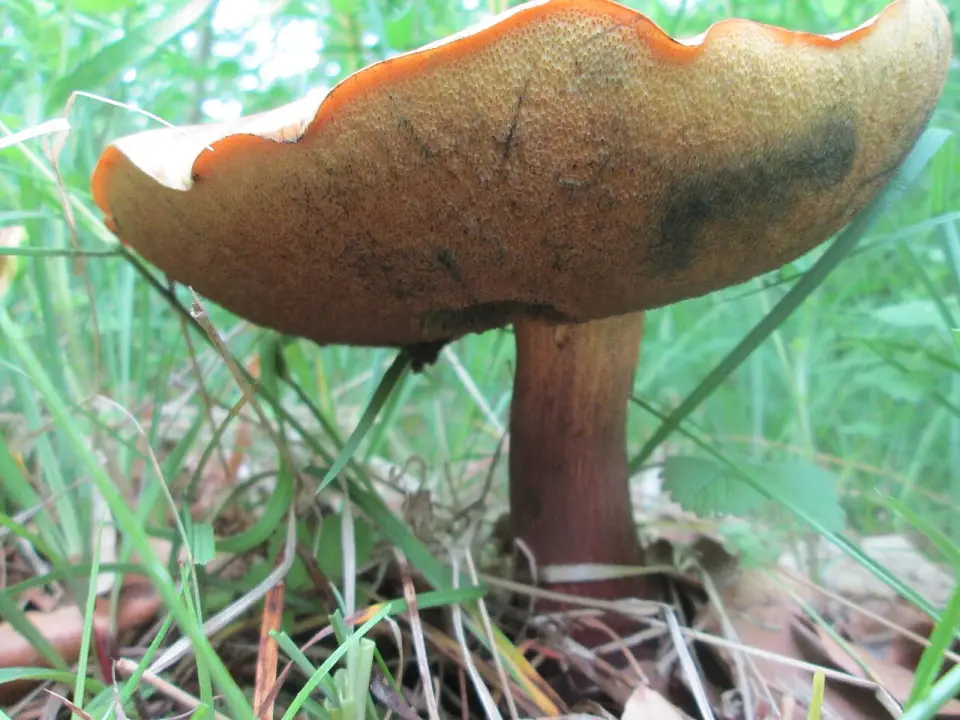
Photo: AnRo0002 / Wikimedia Commons · CC0
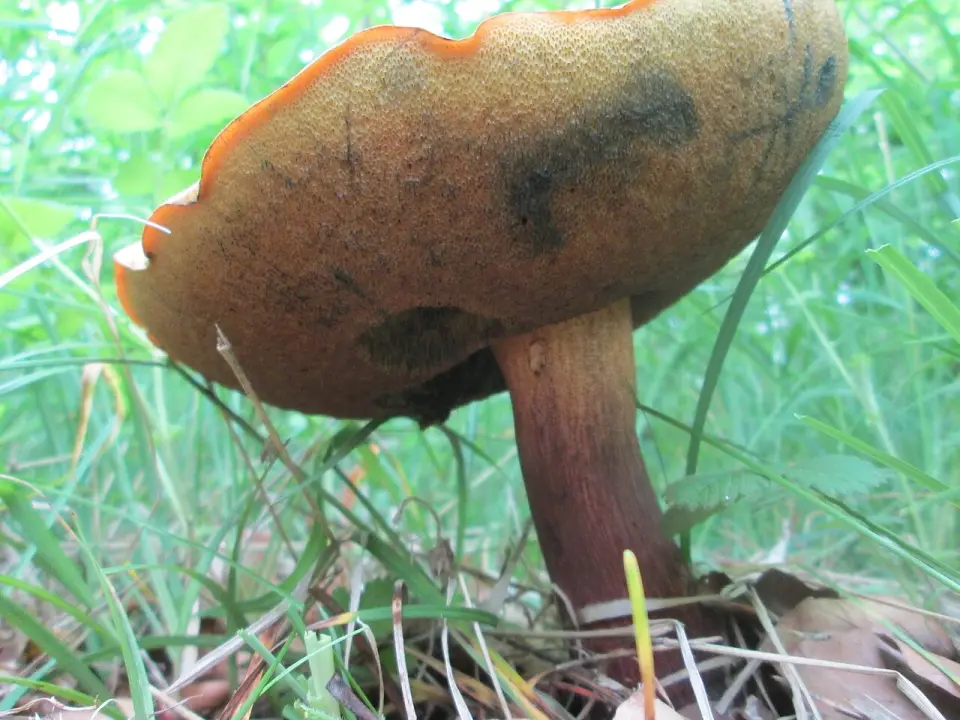
Photo: AnRo0002 / Wikimedia Commons · CC0
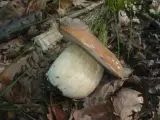
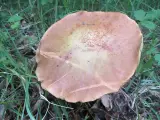
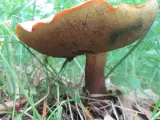
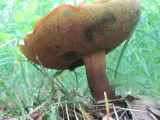
The early cep: a pale ochre cap, rather dry, which cracks into small patches in hot weather. The net on the stem is coarse and covers nearly all of it — the most reliable mark of the species. White flesh, mild taste; it goes maggoty easily, so pick it young.
Quick facts
- Scientific name
- Boletus reticulatus Schaeff. (1774)
- Family
- Boletaceae
- Edibility
- Edible
- Season
- Jun–Nov
- Usual altitude
- 293–1,353 m
- Under which trees
- Oak, Holm oak, Cork oak, Beech, Chestnut
- IUCN Red List
- Least concern (LC)
Where it grows
Broadleaf woodland — beech, oaks, chestnut; it prefers limestone. It fruits from May to October, first of all the ceps, after the spring and summer rains.
Confused with
- Bitter boleteTylopilus felleus
Tubes that turn pink and bitter flesh.
When it has been found
Finds recorded in Spain, by month: 946 in all, from GBIF. They show when it fruits, and also when people go looking.
Where it has been found
Each square is an area of about 20 km with recorded finds; the darker, the more finds. It does not pinpoint patches: for where it is coming up now, see the forecast map.
Where it comes up
Areas where this species is scoring highest right now.
- Montseny massif MassifsExcellent · peak excellent
- Garrotxa ComarcasExcellent · peak excellent
- la Selva ComarcasExcellent · peak excellent
- Osona ComarcasGood · peak excellent
- Vallés Oriental ComarcasGood · peak excellent
- Gironés ComarcasGood · peak excellent
- Larraun-Leitzaldea ComarcasGood · peak excellent
- Maresme ComarcasModerate · peak excellent
In guides and news
Sources
The usual altitude and the trees come from our own fit of the model to those finds and to the Spanish Forest Map (Mapa Forestal de España).
Would you know them from a photograph? →
The description is for reference. Identifying a mushroom from a photograph is unreliable: do not eat anything you are not sure of.