 MicoRadar
Bronze bolete
Boletus aereus
Also called: Dark cep, Queen bolete
In Spanish: Hongo negro, Boleto negro, Tentullo, Hongo bronceado, Boleto bronceado, Porro negro · In Catalan: Cep negre, Sureny, Siureny, Sureny fosc, Rourenc · In Basque: Onddo beltz, Onddo burubeltz · In Galician: Andoa moura
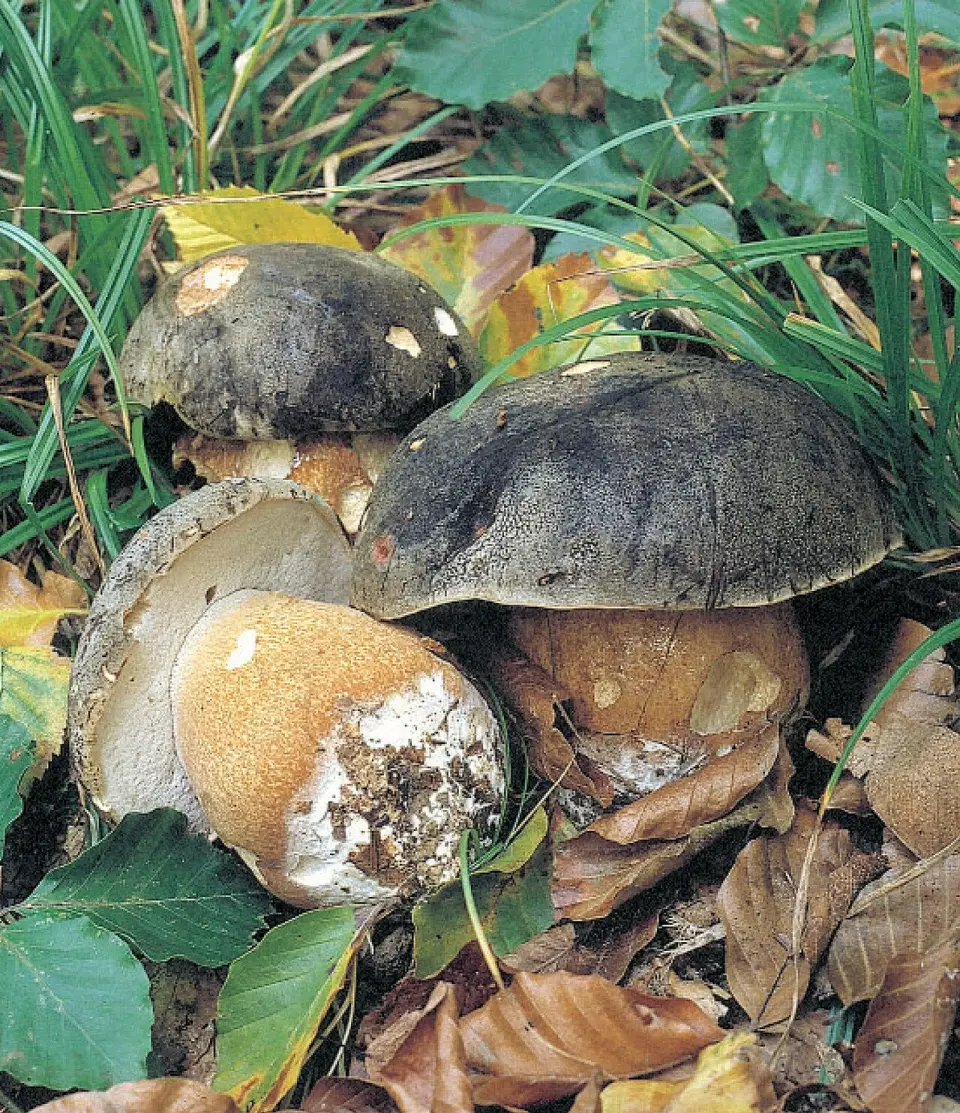
Photo: Achim Bollmann / Wikimedia Commons · Copyrighted free use
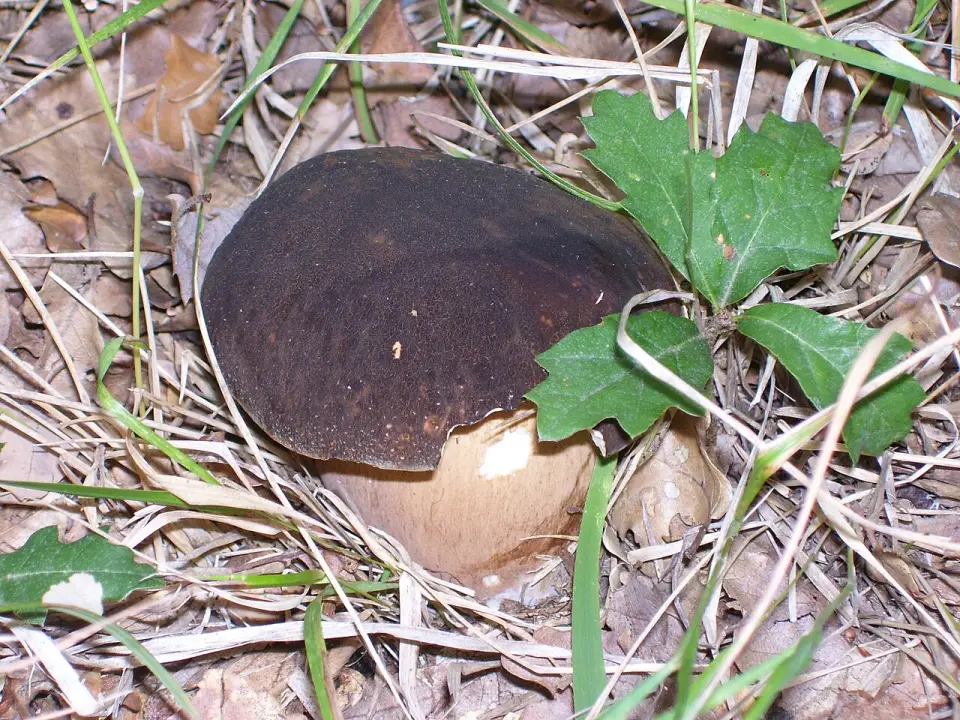
Photo: Emiliano Burzagli / Wikimedia Commons · Public domain
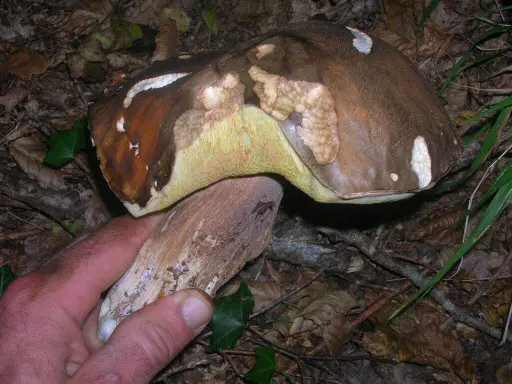
Photo: Cactusleroydlapatee / Wikimedia Commons · CC BY-SA 3.0
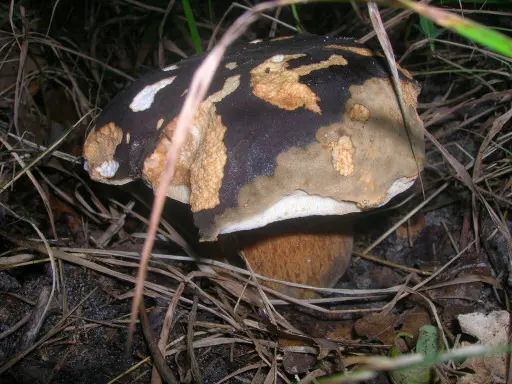
Photo: Cactusleroydlapatee / Wikimedia Commons · CC BY-SA 3.0
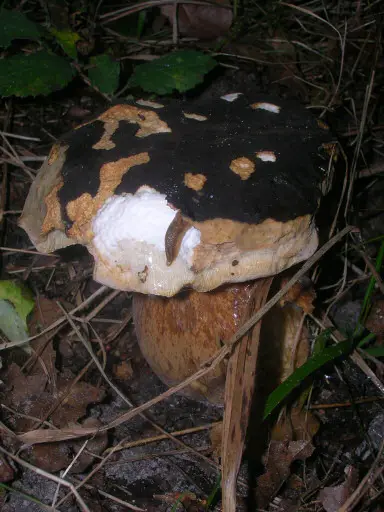
Photo: Cactusleroydlapatee / Wikimedia Commons · CC BY-SA 3.0
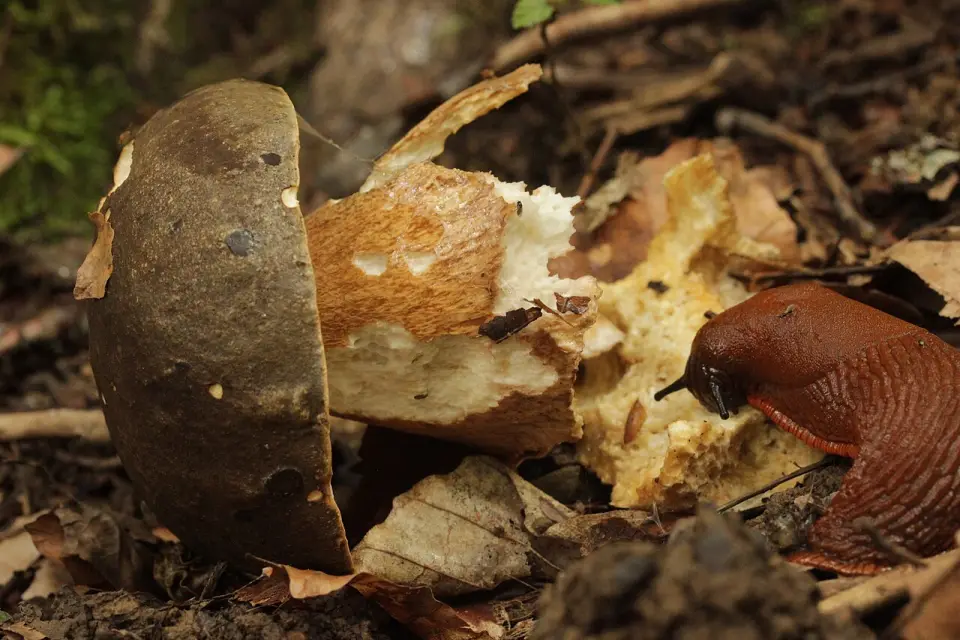
Photo: Björn S... / Wikimedia Commons · CC BY-SA 2.0
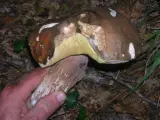
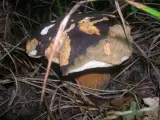
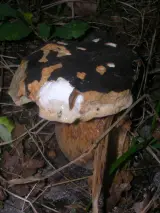
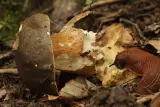
The dark southern relative of the penny bun: an almost blackish-brown cap, velvety, often with paler marbling. The flesh is firmer and more fragrant than that of B. edulis and stays white when cut. One of the best mushrooms of the Mediterranean, and in Spain it fetches more than the common cep.
Quick facts
- Scientific name
- Boletus aereus Bull. (1789)
- Family
- Boletaceae
- Edibility
- Edible
- Season
- Aug–Nov
- Usual altitude
- 234–1,107 m
- Under which trees
- Oak, Holm oak, Cork oak, Chestnut
- IUCN Red List
- Not evaluated (NE)
Where it grows
Warm holm oak, cork oak and chestnut woods — holm and cork oak, Pyrenean and Portuguese oak; the dehesas of Extremadura and Andalusia. It fruits earlier than the penny bun, from late summer, after the first storms.
Confused with
- Bitter boleteTylopilus felleus
Pores that turn pink and bitter flesh; check it with the tip of the tongue on the cut surface.
When it has been found
Finds recorded in Spain, by month: 731 in all, from GBIF. They show when it fruits, and also when people go looking.
Where it has been found
Each square is an area of about 20 km with recorded finds; the darker, the more finds. It does not pinpoint patches: for where it is coming up now, see the forecast map.
Where it comes up
Areas where this species is scoring highest right now.
- Montseny massif MassifsExcellent · peak excellent
- Garrotxa ComarcasExcellent · peak excellent
- la Selva ComarcasExcellent · peak excellent
- Gironés ComarcasGood · peak excellent
- Vallés Oriental ComarcasGood · peak excellent
- Osona ComarcasGood · peak excellent
- Maresme ComarcasGood · peak excellent
- Upper Empordà ComarcasGood · peak excellent
In guides and news
- Ripollés: a guide to the mushroom forests of the Pyrenees
Area guides
- Cataluña, 17–18 October: conditions better than a week ago
State of the forest
Sources
The usual altitude and the trees come from our own fit of the model to those finds and to the Spanish Forest Map (Mapa Forestal de España).
Would you know them from a photograph? →
The description is for reference. Identifying a mushroom from a photograph is unreliable: do not eat anything you are not sure of.